


Insights & guides
Practical material on working with Korean suppliers: certification, OEM/ODM, logistics and verification.
Percentages from testing: how to read “hydration increased by 76%”
Korean manufacturers readily cite precise figures for improvement. To understand what they mean, you need to know three things: how many participants there were, who ran the test and what the comparison was made against.
Read → GuideOvernight skin repair: what lies behind the claims about circadian rhythms
Night masks are increasingly sold through biology: clock genes, a repair window, aquaporins. Some of it rests on real published work, some of it on nothing more than a neat analogy. Here is how to tell one from the other.
Read → GuideA patent on the label: whose it is and what it actually protects
A patent number in a cream's description looks solid, but on its own it says nothing about who owns it or what it covers. Here is what to ask a supplier before moving that line into your own materials.
Read → GuideLiposome Delivery in Cosmetics: Carrier Charge and How to Read Penetration Claims
How cationic, neutral and anionic liposomes differ, why charge affects retention on the stratum corneum, what a penetration test actually shows, and which caveats have to sit next to any claim of this kind.
Read → GuideVegan Certification in Cosmetics: Which Body Actually Carries Weight
How the Italian V-Label differs from national schemes, what a product-by-product registration with a reference number and an expiry date means, and why a single blanket "vegan" tick in a price list can mislead a buyer.
Read → GuideBrewer's Yeast for the Scalp: What the Ingredient Is and What to Ask a Supplier
What sits behind brewer's yeast extract in shampoos, why the raw material is fermented, how to read a ppm figure, and what a Korean MFDS anti-hair-loss registration does and does not give you abroad.
Read → GuideSticks instead of jars: why Korean weight management moved into sachets
Almost the whole Korean weight management category is packed into single-use sticks. Convenience is only part of the reason: the format changes shopper behaviour and the economics of a shipment alike.
Read → GuideA supplement, not a cosmetic: what changes when you import Korean inner beauty
Inner beauty sells from the same shelf as skincare, yet it is imported under entirely different rules. What that means for timelines, paperwork and the promises you make to retail.
Read → GuideDiet supplements from Korea: what to ask a maker before the first order
Patented ingredients, swelling percentages and grams of bound fat look convincing in a sales deck. Here is what those phrases actually stand for, and which questions to ask while the order is still unplaced.
Read → GuidePumpkin before Halloween: how Korean seasonal promotions actually work
Pumpkin lines sell best in autumn, and the factories know it. But a Korean promotion is rarely a discount, and the holiday calendar decides when the order has to leave.
Read → GuideEGF, PDRN, noggin: what the protein on an activator label means
Professional lines increasingly carry a second name on the vial — a protein. We look at what sits behind it and what to ask before putting such a product into a treatment room.
Read → GuideFreeze-dried plus activator: what this format costs a buyer
Two vials instead of one look like a complication. We look at why the formulation is dried, what that buys, and which costs the format adds to purchasing.
Read → GuidePlant and milk exosomes: what to ask the supplier
The word «exosomes» on a label says nothing about origin or quantity. We look at how the sources differ and which questions to ask before buying.
Read → Guide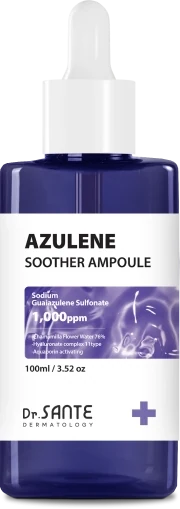

The 5 ml stick: a sample that sells rather than being given away
A single-dose format looks like a footnote, yet it solves three shelf problems at once. We look at the economics of the stick and what to clarify with the factory before ordering.
Read → Guide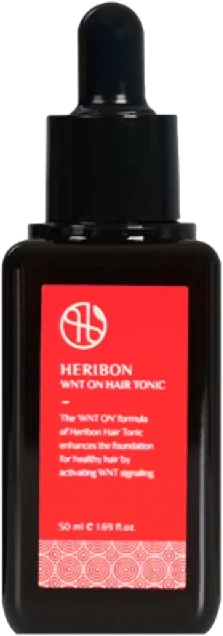
A minute against a day: where an active has time to work
The same component in a shampoo and in a tonic makes two different products. We look at why contact time matters more than concentration and how that shapes a line.
Read → GuideShampoo base: what to ask the factory before development
Everyone discusses the actives in a shampoo; almost nobody discusses the base. Yet the base determines the feel, the cost and half the reviews. Here is what to clarify with an OEM manufacturer.
Read → GuideScalp scaler: what is inside and why the line needs it
The first step of a Korean scalp routine and the one most often cut when a line is localised. We look at what it does and why the other three fall apart without it.
Read → GuideKaranja and neem: oils that sell with their smell facing outward
Two Indian oils with strong character. We look at why odour is the main budget line here and what to clarify before ordering a batch.
Read → GuideCentella and asiaticoside: two different goods under one plant
Centella extract and purified asiaticoside are sold as if they were the same raw material, though the price differs several-fold. We look at what you are actually buying.
Read → GuideTea tree and peppermint: when sensation is mistaken for function
Two essential oils the customer feels on the skin. We separate sensation from function, look at where dosage limits sit and what all of it means for purchasing.
Read → GuideRosemary in scalp formulations: what to specify in the enquiry
Rosemary on a label can mean three different raw materials with different prices and different labelling duties. We look at exactly what to put in a supplier enquiry.
Read → GuideAzulene and a sensitive scalp: what it brings to the shelf
A look at the component a whole SANTE line is built around, and why for a buyer what matters is less the azulene itself than what ended up in the shampoo alongside it.
Read → Guide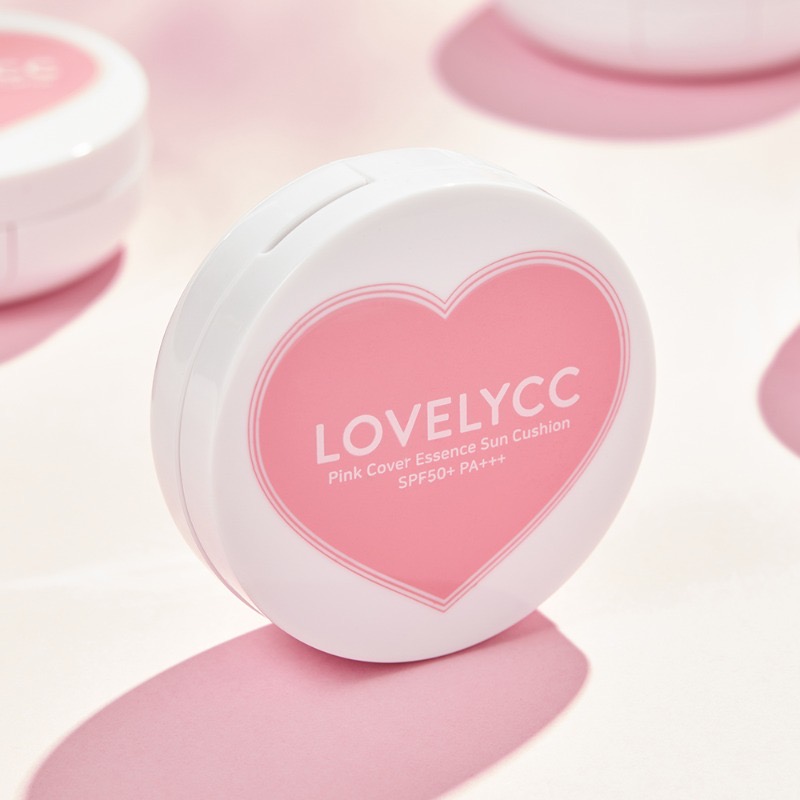
Caffeine in hair tonics: what to ask before you buy
Caffeine appears on hundreds of labels. We look at what actually sits behind the word, how rinse-off differs from leave-in, and which questions to put to the factory.
Read → Guide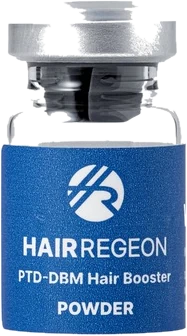
KY19382: how a professional active is carried into a home line
The active in the HERIBON home line. We look at how a home formula differs from a treatment-room one, and why the same name on the label does not mean the same product.
Read → GuidePTD-DBM: what this peptide is and what has actually been shown
The active in the professional HAIRREGEON line. We look at how the mechanism is described, what patents and publications cover, and what stays outside the evidence.
Read → GuideOne factory, two shelves: what a manufacturer serving both salon and retail gives you
When the same laboratory makes both the treatment protocol and the home routine, a buyer gets something a purely retail manufacturer cannot offer. But the questions to ask are different too.
Read → GuideFunctional cosmetics in Korea: the three claims and what sits behind them
A Korean cushion often claims a triple function at once. That is not an advertising device but a regulated status, and a buyer should know what it evidences and what does not cross the border with it.
Read → GuideAn acid peel in powder form: why it is made that way and what it changes
A powder looks like an inconvenience: you have to mix it. In fact it solves the problem that makes ready-made acid products lose strength long before their expiry date.
Read → GuidePumpkin enzymes in peels: what they do and what they do not
Pumpkin turns up in Korean skincare more and more, usually presented as a natural alternative to acids. In fact it works alongside them rather than instead of them, and that is worth knowing before you buy.
Read → GuideMicroneedling ampoules: how they differ from a serum and who may work with them
A treatment ampoule and a shelf serum can look alike in composition. The difference is what happens to the skin during application — and how a regulator reads it.
Read → GuideThe kilogram pack: why it exists and what it changes for a buyer
A one-kilo bag of mask and a litre jar of cream look like bulk savings. In fact they are a different product with different logistics, a different shelf life and a different buyer.
Read → GuideThousands of formulas in the library: what the number gives a buyer and what it does not
An accumulated formula library speeds up a launch and lowers development cost. It also means the formula existed before you and may go to somebody else.
Read → GuideWhen the factory moulds its own packaging: what changes for a buyer
Most cosmetics plants buy their packaging. Those that make it themselves give a buyer two things: shorter lead times and a lower minimum. But not always, and not for everything.
Read → GuideGift sets on the shelf: why they sell better and what to count in them
A set is not several products in a box. It is a separate item with its own economics, and it has to be costed differently from the sum of its contents.
Read → GuideThe first-run minimum: what to calculate before you negotiate it
A minimum of a few thousand units looks like a barrier. It almost always rests not on the cream but on the packaging, and that changes the conversation.
Read → GuideA brand in ninety days: what actually fits and what does not
The timeline is real, but not for everything. What fits into three months, what will never fit, and where the time usually goes.
Read → GuideOBM: when the manufacturer builds the brand for you
OEM makes a product to your formula, ODM offers its own. OBM also takes on the name, the look and the route to market. The difference lies in what you end up owning.
Read → GuideNAD+ in topical skincare: what to ask a supplier
The molecule arrived in cosmetics from longevity research and went straight onto packaging. The question for a supplier is simple: in what form is it added, and what evidence backs that.
Read → GuideThe word medicosmetic: what sits behind it and what you cannot promise
On a pack it looks like a category a regulator recognises. It is a marketing word with a legal boundary, and a buyer is better off knowing that boundary early.
Read → GuideA CPNP notification: what it proves and what it does not
CPNP is often presented as a mark of quality. It is a notification, not a certificate, and the difference matters before you place an order.
Read → GuideOne house, several brands: what a buyer gains and where it bites
One company, three brands, one contract. The savings on freight and paperwork are real, but the brands are almost never equally ready for export.
Read → GuideHoney, propolis, royal jelly and bee venom: what a buyer should verify
Four different raw materials that look like one theme on a label. The differences matter: they are standardised differently and they are not treated alike under allergen rules.
Read → GuideBlack ginseng: what nine steamings change
Fresh, red and black ginseng are one plant and three different raw materials. What happens across nine processing cycles, why it costs more, and what to ask the supplier.
Read → GuideThe pharmacy shelf as a signal: why a buyer should know where a brand sells at home
Getting into pharmacies is not a decorative line. How the pharmacy channel differs from general retail, what it says about a brand, and why it matters for Mexico, Brazil and Chile.
Read → GuideMaterial from the field: what a brand's farm agreement gives a buyer
"Grown in Korea" is written by many. What separates a claim from an agreement with a named farm, what a whole-chain memorandum covers, and the three questions to ask a supplier.
Read → GuidePercentages on the bottle: how a buyer reads a Korean ampoule
The Korean brand aoi prints active concentrations on the packaging itself, in per cent and in ppm. What lies behind that, what a skin irritation index of 0.00 means, and what to ask the supplier.
Read → GuideCentella: which derivative to name in the specification
The word centella in a specification does not describe a raw material. One plant yields five different items at different prices and different dose levels, and the choice is made before the cost calculation.
Read → GuideBakuchiol: what to specify when buying the raw material
Bakuchiol sells as a gentle retinol alternative. A buyer, though, is not buying the claim but a batch of raw material, and there the purity figure and the assay method decide everything.
Read → GuideCertified exporter status: what it gives a buyer
Buyers skim past the certified-exporter line as boilerplate. It is in fact one of the few lines in a factory deck that can change the landed cost of your shipment.
Read → GuideGlabridin or licorice extract: why these are two different purchases
One supplier's list says licorice extract, another says glabridin 90%, and the two prices are not comparable. What you are actually paying for, and what to put in the specification to get what you need.
Read → GuideVegan cosmetics for export: what actually backs the claim
The word vegan on a pack is regulated more loosely than people assume. What it really means, how it differs from cruelty-free, and which documents to ask a Korean manufacturer for.
Read → GuideA formulation patent: what it gives a buyer and what it does not
The word patented in a deck sounds impressive and says almost nothing. What actually gets patented in cosmetics, which part of it is useful to you, and how to check in a minute whether the patent exists.
Read → GuideAn irritation index of 0.00: what sits behind the number and how to check it
Many Korean manufacturers write “tested on sensitive skin”. What separates a signed laboratory report from a line on the packaging, and what to ask so that you are not buying words.
Read → GuideBuying from a young brand: the risk and the upside
The brand is young, and it is not yet clear whether it has any sales history or distributors in your country. What that means in practice, and how to vet such a supplier without spending six months on it.
Read → GuideSPF in hand cream and lip balm: what to clarify before importing
Requirements for an SPF claim on the label differ from country to country, and it is rarely obvious in advance which procedure will apply to a given range. What to ask the supplier and your own broker before the first container is ordered.
Read → GuideHand and body care in retail: what a buyer checks
The category can look simple. Size, texture, fragrance, giftability and season — five things worth checking before a line goes on the shelf.
Read → GuideBeauty that is carried on the outside of the bag
A hand cream sold on a clasp instead of in a plain tube raises different questions for a buyer than an ordinary tube does. What to check about the format itself, and what to ask the manufacturer before placing an order.
Read → GuideA ready Korean brand or your own label: how to choose between them
The same factory often offers both. How the two routes differ in money, timing and risk — and who each of them suits.
Read → OverviewSheet masks in retail: what to check before ordering
A sheet mask looks like the simplest product on a Korean shelf — and choosing the right one for a buy is harder than it looks. What is worth checking before ordering, item by item.
Read → GuidePanthenol, TECA and ceramides: what to ask about a barrier-care line
“Barrier repair” is a phrase that could mean almost anything. What is worth asking a manufacturer before you take that phrase at face value.
Read → GuidePDRN on the label: what the name proves, and what it doesn't
Four letters on the packaging aren't a finished fact, they're a reason to ask. What is actually known about PDRN in one specific line, and what to ask the manufacturer before ordering.
Read → OverviewA line for blemish-prone skin: how Korean derma differs from ordinary care
Every brand sells something “for acne”, but a derma line is built differently. What sets it apart in formulation, testing and the logic of use — and which of that matters to a buyer.
Read → GuideKorean cosmetics in Mexico and South America: what decides the outcome
Latin America is the fastest-growing K-beauty market after the United States, yet not every brand gets in. What the buyer looks at, what slows a shipment down, and how to open the conversation.
Read → OverviewSparassis crispa: the mushroom with 43% beta-glucan and what it does in skincare
Cauliflower fungus is entering Korean cosmetics as a source of beta-glucan and exosomes. What is known about this raw material, why it appears in anti-ageing lines, and what to ask about it.
Read → GuideExosomes in skincare: what they are and what to ask a manufacturer
The word “exosomes” now sits on dozens of Korean labels, but it covers very different things. What they actually are, why they matter, and the four questions to ask a factory before you order.
Read → Guide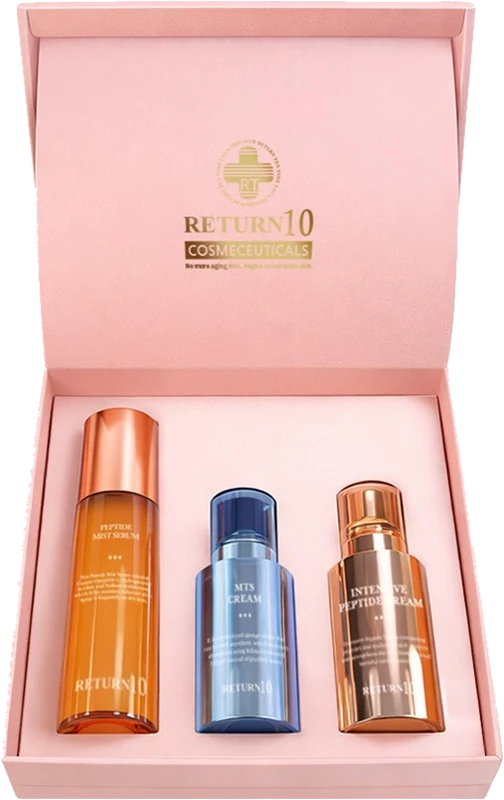
A cushion instead of a cream: how post-procedure care became a make-up format
A look at the EXOMERE G cushion balm format through the Spicus V Shot Recovery Balm — what it gives a clinic, a salon and a professional skincare distributor.
Read → Guide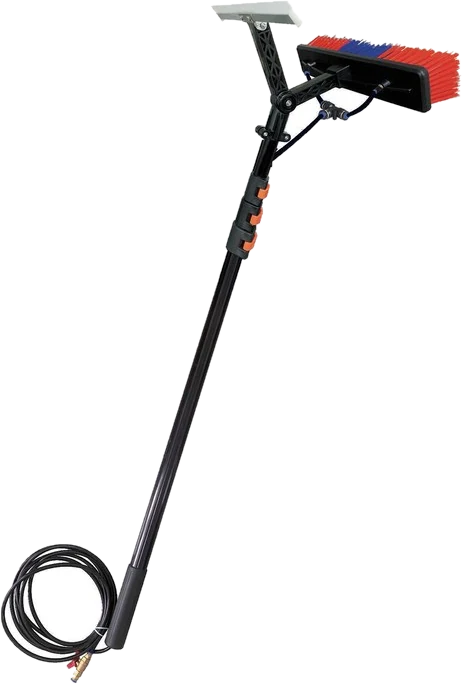
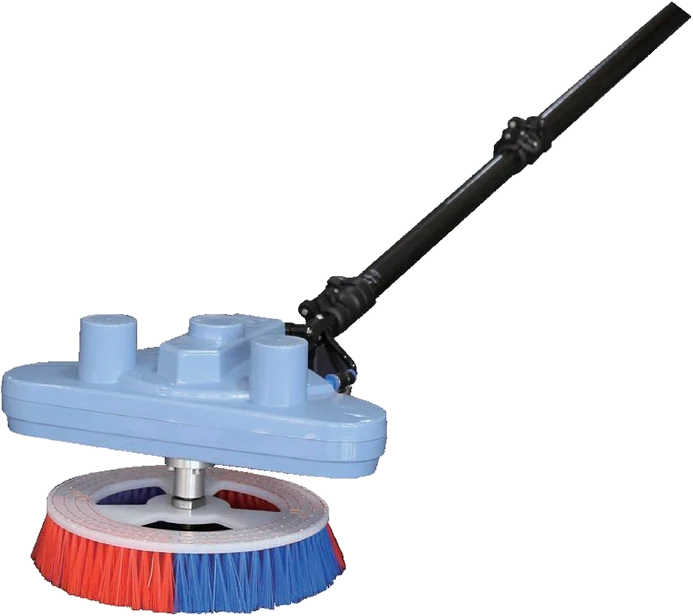

MULR Brushes: Panel Cleaning Where a Robot Is Overkill
Small arrays, rooftops and hard-to-reach areas rarely justify a robot. MULTIFIT's MULR brush line — from a scraper model to a water-driven version — covers these jobs.
Read → Guide

MULTIFIT MR Series Robots: How to Match a Model to Your Array Geometry
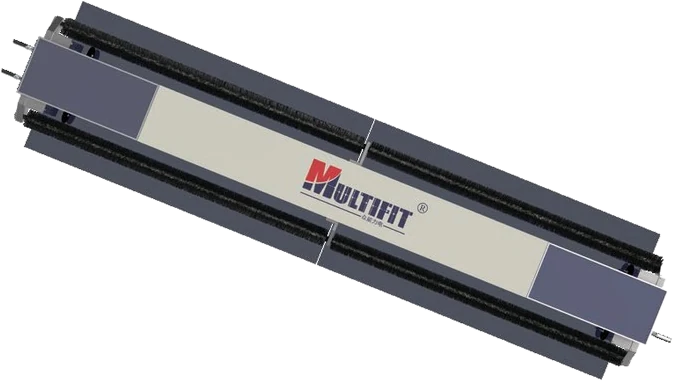
MR-G for panel rows, MR-T1 and MR-XY for other configurations, and the MR-AR cart for moving between rows: a look at the cleaning robot line-up and the logic of model selection.
Read → Overview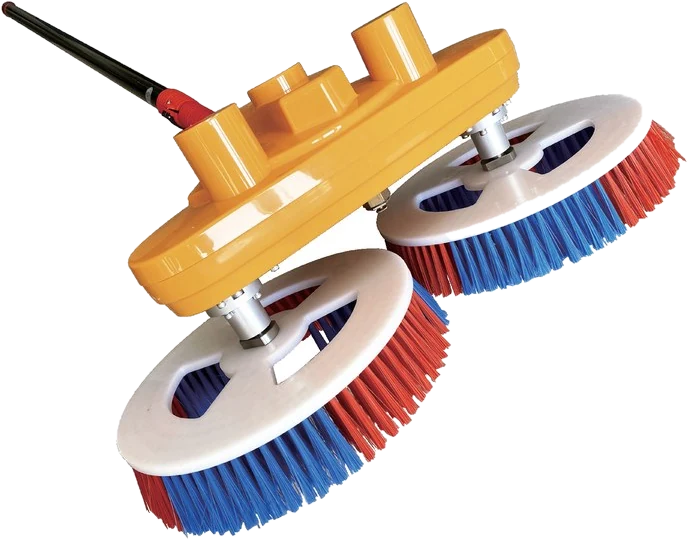
A dirty panel loses a third of its output: what dust costs a solar plant
Soiling cuts solar panel output by up to 20–36% of rated power, and hot spots from patchy dirt shorten panel life. Here's why cleaning pays for itself instead of costing you.
Read → GuidePCR, PLA and Mono-Materials: How to Order Eco Packaging for Cosmetics Without Compromising Quality
Recycled PCR plastic, PLA bioplastic and recyclable mono-materials: which eco packaging options Korean manufacturer COCOSPACK actually offers, and what to ask before your production run.
Read → GuideFine Mist Sprayer and Dual-Chamber Jar: Packaging That Sells the Product
COCOSPACK functional packaging: patented fine mist sprayers, dual-chamber mixing jars, vibrating applicators and a liquid stick — when the construction becomes part of the product.
Read → OverviewPackaging in Two to Three Months Instead of Six: Inside COCOSPACK's Full-Cycle Production
Molds, injection molding, blow molding, printing and assembly under one roof: how Korean packaging manufacturer COCOSPACK moves from sketch to production run twice as fast as the industry.
Read → GuideA Protocol Instead of a Shelf of Jars: DOOBOM Salon Programs and Devices
DOOBOM supplies not individual products but ready-made in-salon protocols and the Vol-New-Up and Slim Ultra Max devices, tied to its skincare line. What this offers salons and distributors.
Read → GuideGinseng Exosomes, PDRN and Spicules: How DOOBOM Delivers Actives into the Skin
An active ingredient is useless if it stays on the surface. We examine three delivery technologies in the DOOBOM lines: ginseng exosomes, PDRN and natural spicules with a channel structure.
Read → OverviewWild Soybean Extract Instead of Water: The Base Behind DOOBOM's Professional Formulas
Purified water tops the ingredient list of most products. DOOBOM replaces it with Korean wild soybean extract, so the very base of the formula carries active ingredients.
Read → OverviewFrom machine building to cosmetics: why CUBE CAP shapes capsules of any form for your brand
CUBE CAP grew out of an encapsulation machine manufacturer: its own equipment, its own molds and shell raw materials. What this means for a brand ordering OEM/ODM.
Read → GuideThree COCAPS formats: plastic bottle, glass and blister — which one fits your channel
A 30-capsule SAN bottle, a glass bottle and a 7-capsule blister: we compare COCAPS capsule serum formats by sales channel, carton weight and purpose.
Read → GuideSerum in a Capsule: What the Single-Dose Format Offers a Cosmetics Buyer
Why a serum sealed in an individual capsule needs no preservatives, does not oxidise until opened and keeps for three years: a look at the COCAPS format from Korean manufacturer CUBE CAP.
Read → GuideActives in functional skincare 2026: glutathione, retinol and bakuchiol
Three actives around which Korean functional skincare ranges are built. What each one does, who it suits, and how they add up to a range a buyer can work with.
Read → Guide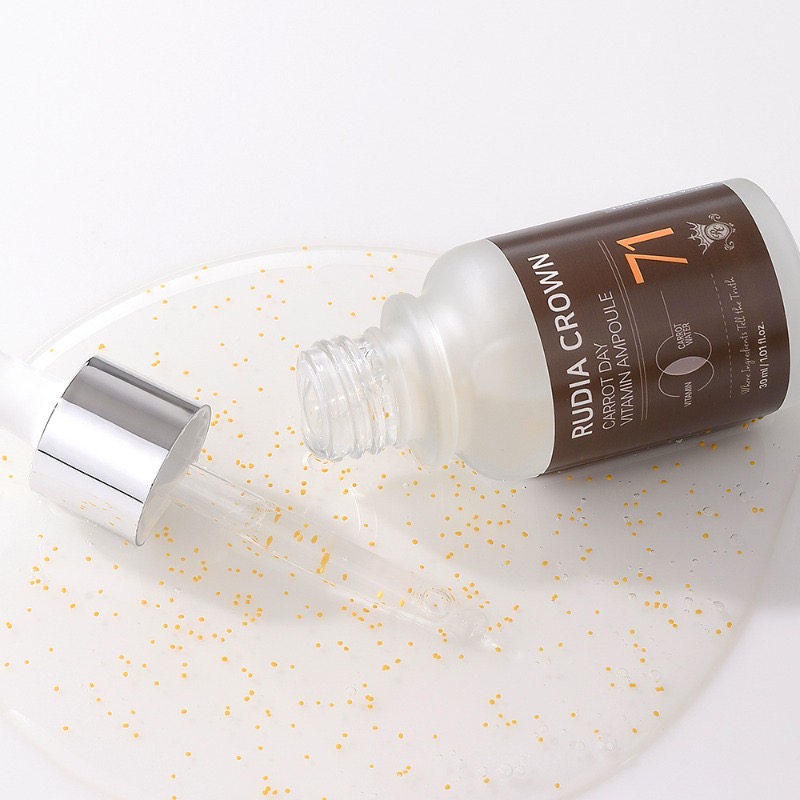
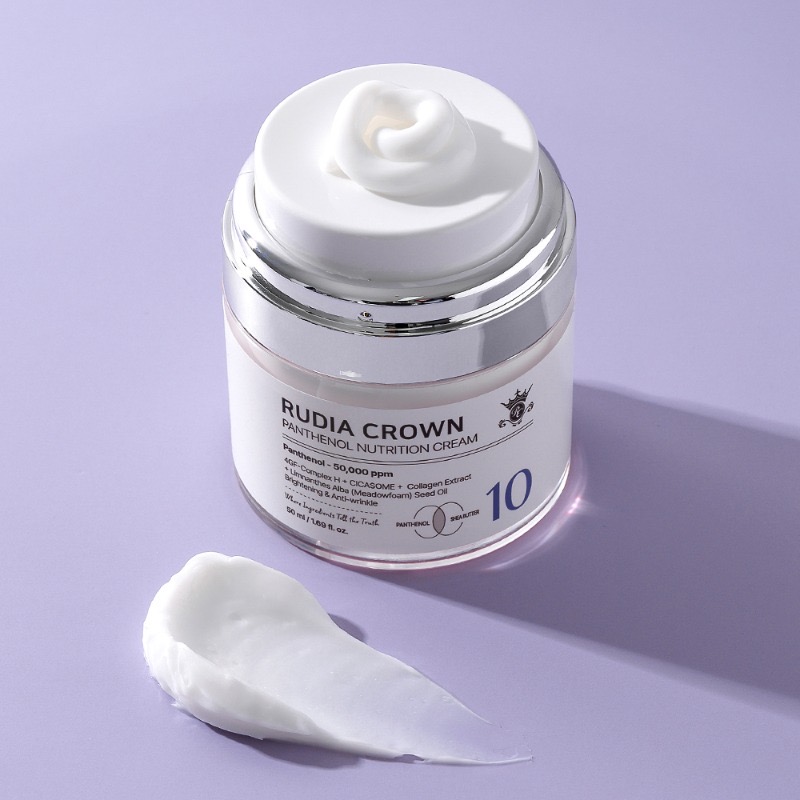
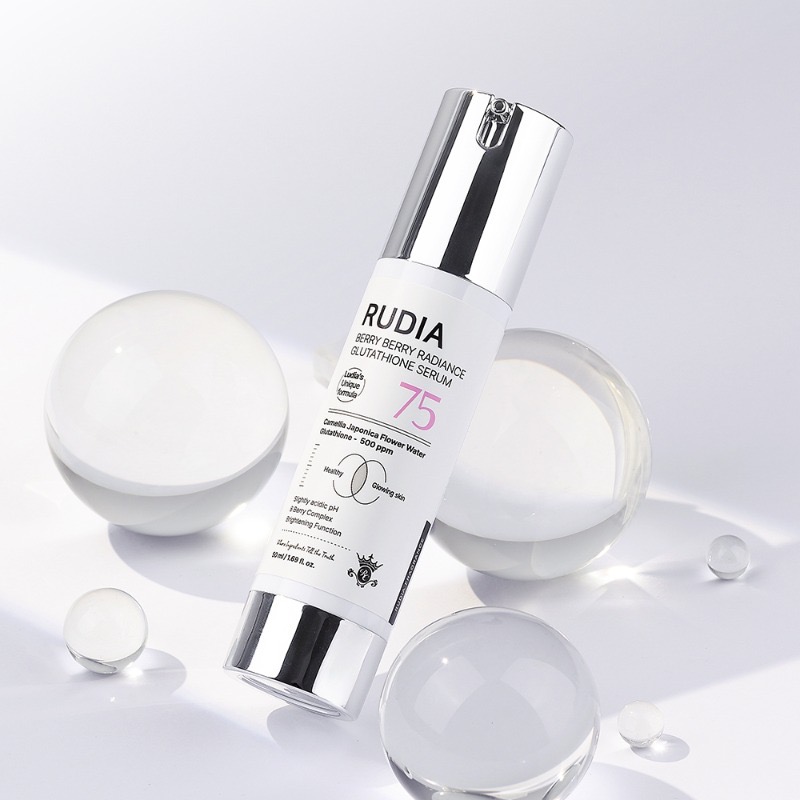
What changed in RUDIA by 2026: glutathione, niacinamide and bakuchiol
The Korean brand RUDIA, part of the DREAMCOS group, has refreshed its range. A look at the three actives, the Crown ampoules, and why the brand deliberately dropped retinol.
Read → Overview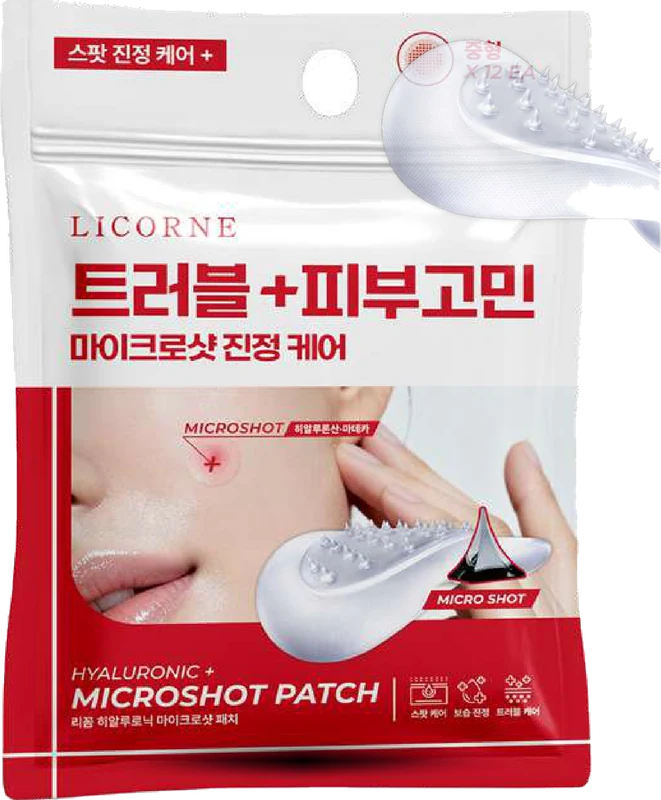
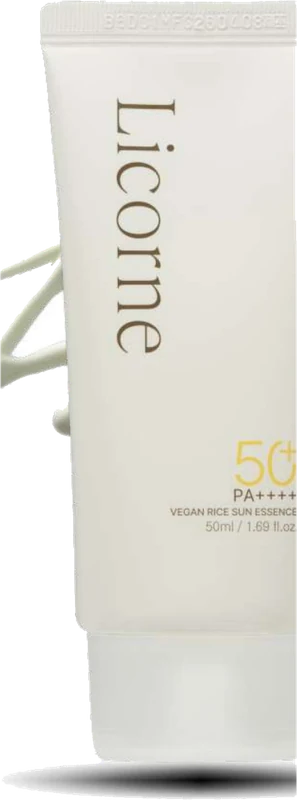
LICORNE at Hyundai Department Store Pangyo: what offline retail in Korea tells a buyer
From 11 to 23 August 2026 the brand runs its own corner in a premium department store near Seoul. We look at what going offline says about a brand's readiness for the shelf, and what documents stand behind its overseas registrations.
Read → Guide
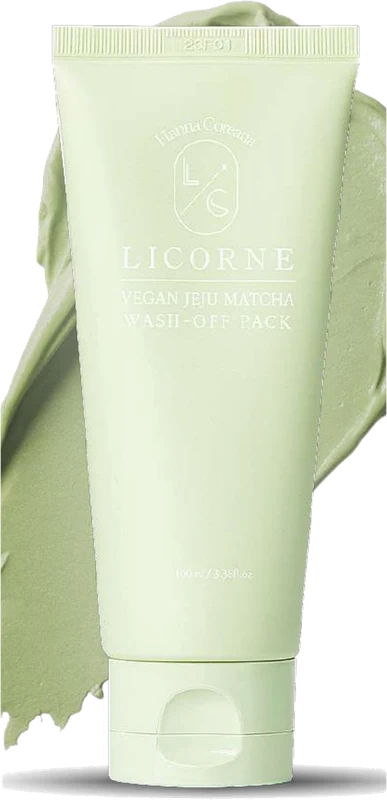
Vegan K-beauty for sensitive skin: the Vegan Cactus and Vegan Rice lines
How a buyer should read the vegan claims of Korean brand LICORNE, what sits behind its cactus and rice formulas, and why this is care, not a promise. A B2B read.
Read → Overview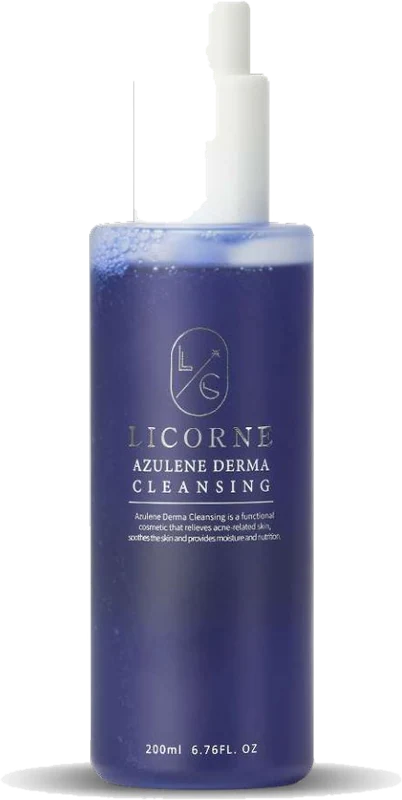
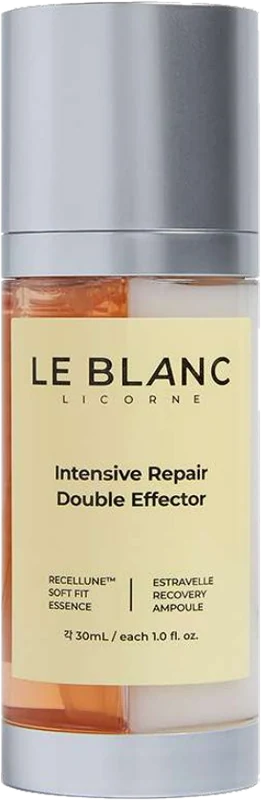
The home-aesthetic concept: professional-style care used at home
What sits behind LICORNE's "personal prescription for the skin," how the targeted and premium lines are built, and how to verify the brand's claims before a deal.
Read → GuideSPICUS® micro-needles and EXOMERE exosomes: topical post-care
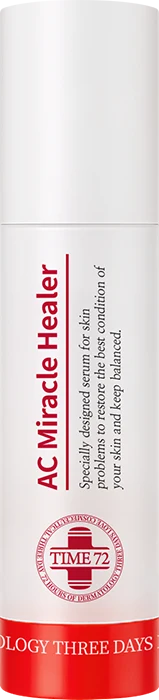
How topical micro-needle and exosome delivery works across THREE DAYS LOVE lines — for distributors, clinics and salons that need professional, non-injection post-care.
Read → Guide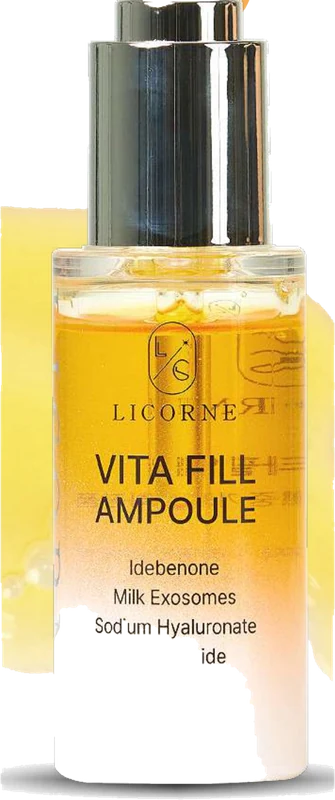
PDRN-inspired recovery and brightening as cosmetic care
The Salmon DNA and Vegan Jeju Matcha lines: recovery and even tone as cosmetics for topical use — not medicine or injectables. A read for buyers.
Read → GuideRETURN 10 and recovery balms: peptide post-care for distributors
Peptide creams, MTS solutions and recovery balms from THREE DAYS LOVE as a home companion to professional treatment — what wholesalers and distributors should know.
Read → Guide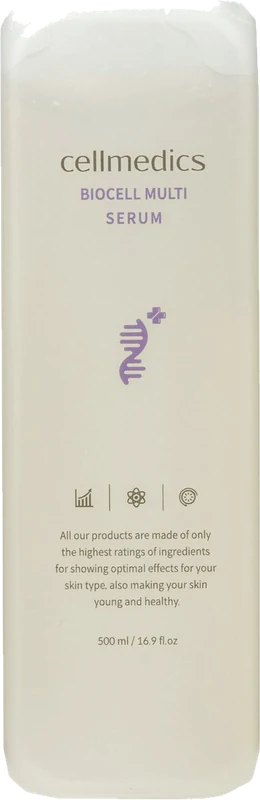
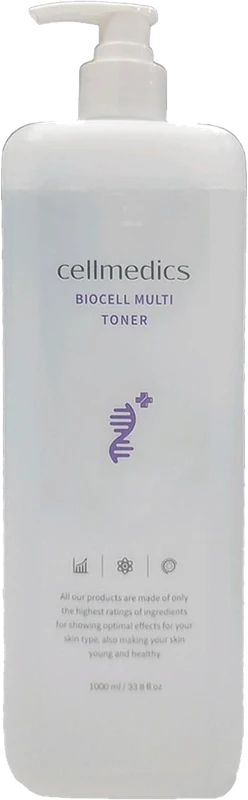
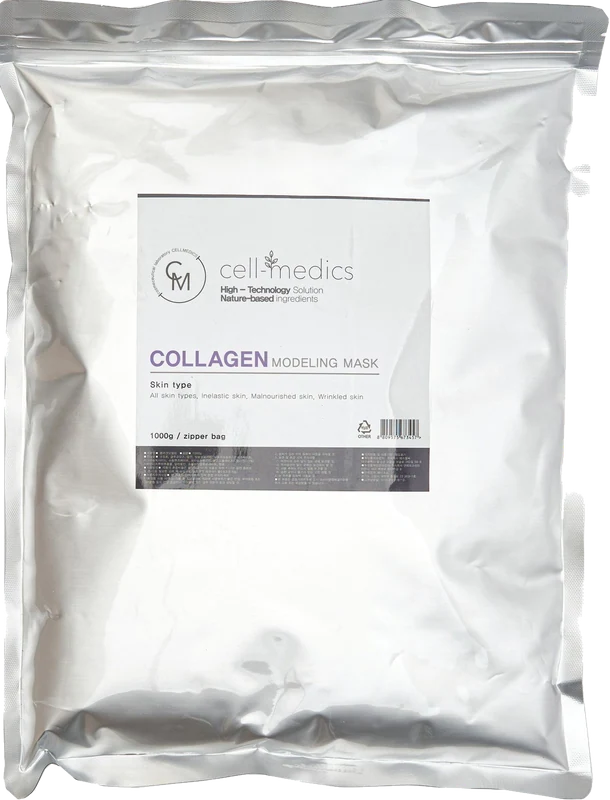
cellmedics modelling masks and ampoules: treatment-room care for clinics and salons
How to build the finish of a salon treatment on cellmedics modelling masks and concentrated ampoules from Korean developer iCELmedi: line compositions, treatment-room formats and wholesale terms.
Read → OverviewOne Korean maker, four brand lines: building a cosmeceutical assortment
ThreeDaysLove, RETURN 10, TIME 72 and the EXOMERE line under one Korean maker — what a buyer should know when assembling a professional cosmeceutical assortment.
Read → Guide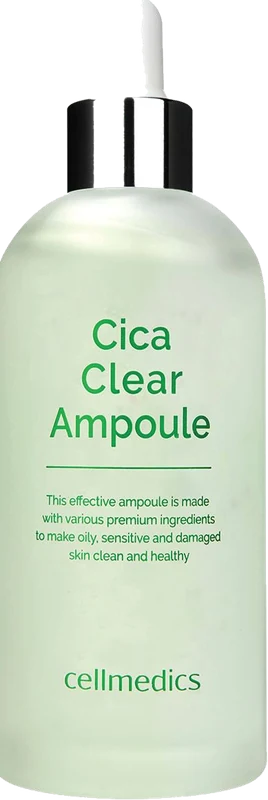
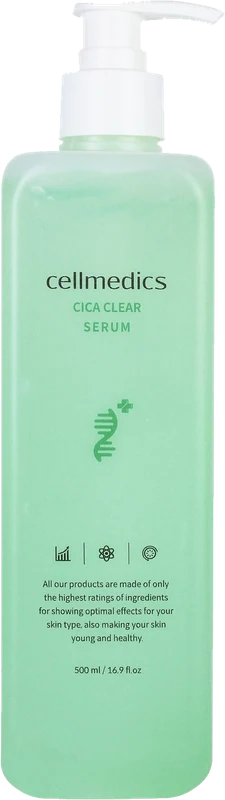
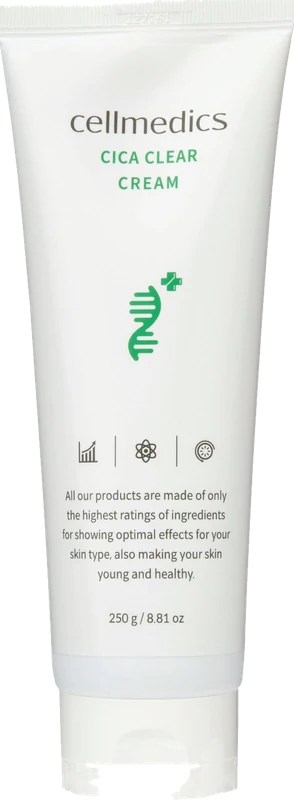
Cica Clear and Hydrating Soothing: cosmeceuticals for sensitive skin and the barrier
How two cellmedics lines — centella-based Cica Clear and the hydrating Hydrating Soothing — combine into gentle care for reactive skin and support for the protective barrier. Cosmetic care, not a medical procedure.
Read → Overview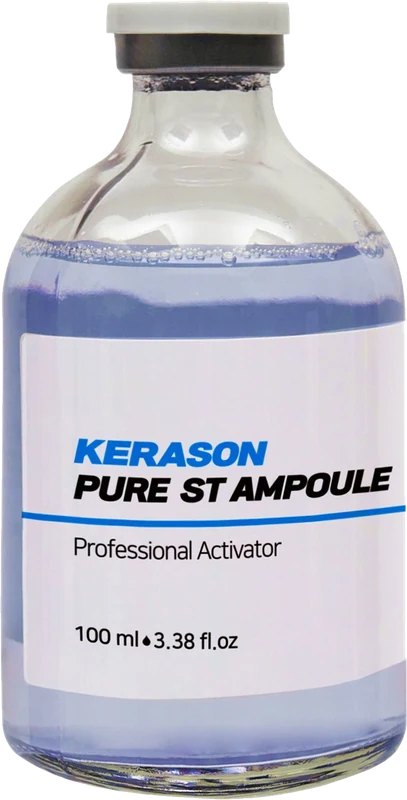
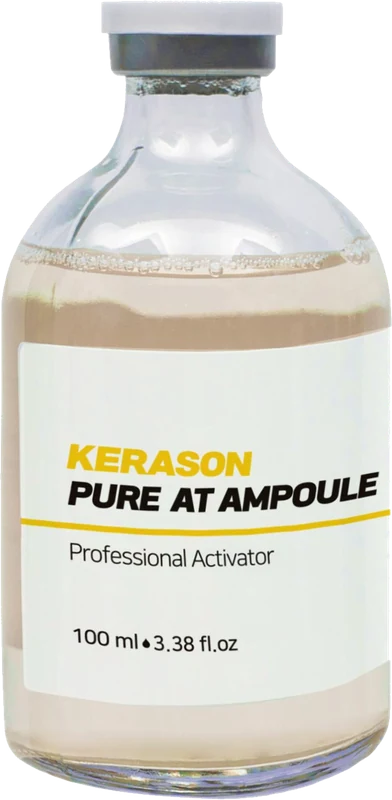
KERASON PRIME: device-based care and the Pure AT and Pure ST activators for salons
What iCELmedi's device direction looks like: the KERASON PRIME ultrasound device, three handpiece types and two professional activators, Pure AT and Pure ST. A format for salons and clinics, not a medical device.
Read → Guide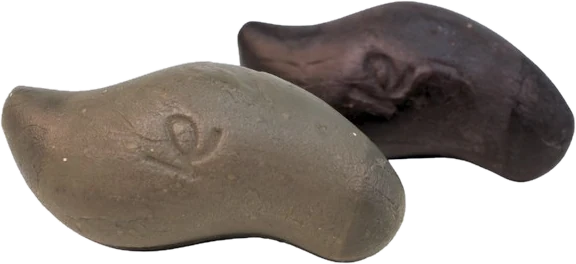
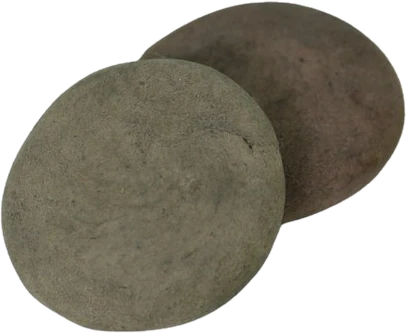
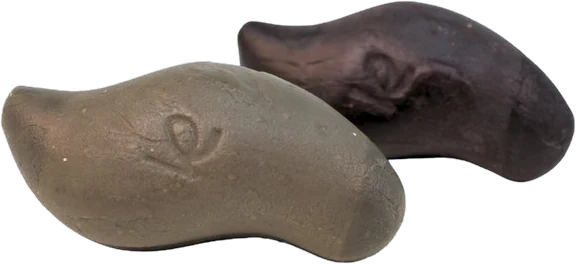
French-clay cleansing bar: cleansing and care in one bar
The 2-in-1 format — cleansing plus clay care in a single bar for face and body: how a French-clay cleansing bar is built, who it suits and how the Original, Deep and Discovery Kit versions differ, using Multi-Solution Face & Body Soap by the KIFT brand.
Read → Guide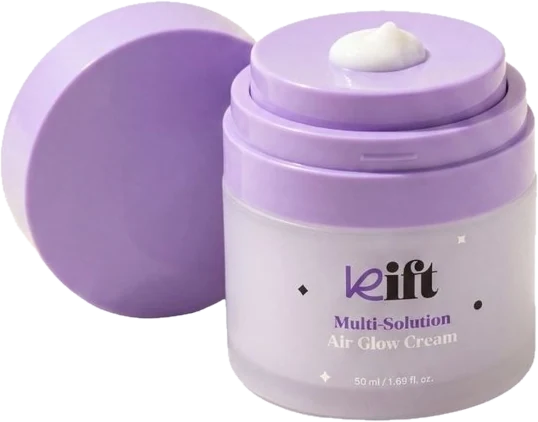
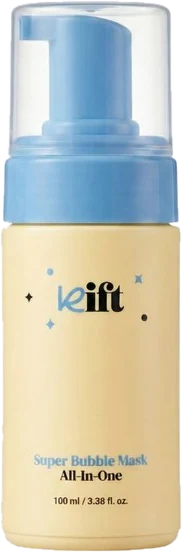
Leave-on bubble mask: overnight care without a sheet base
What a leave-on bubble mask-care is, how a 'mask pack' works without a sheet base and what overnight skin recovery means in a cosmetic sense — explained using Super Bubble Mask All-In-One by the KIFT brand.
Read → Overview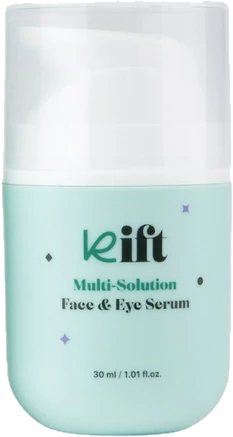
All-in-one cosmetics: how one step replaces a shelf of products
We break down the all-in-one format using the Multi-Solution line from the Korean brand KIFT: why one multifunctional product cuts a 6–10-step routine, who this kind of care suits and why it's convenient for the distributor and buyer.
Read → Overview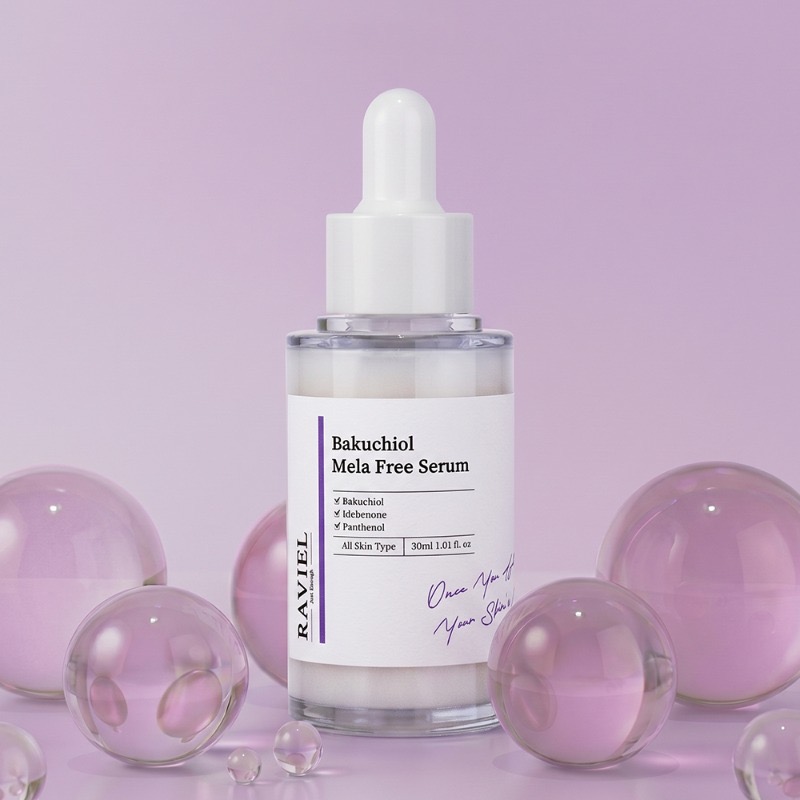
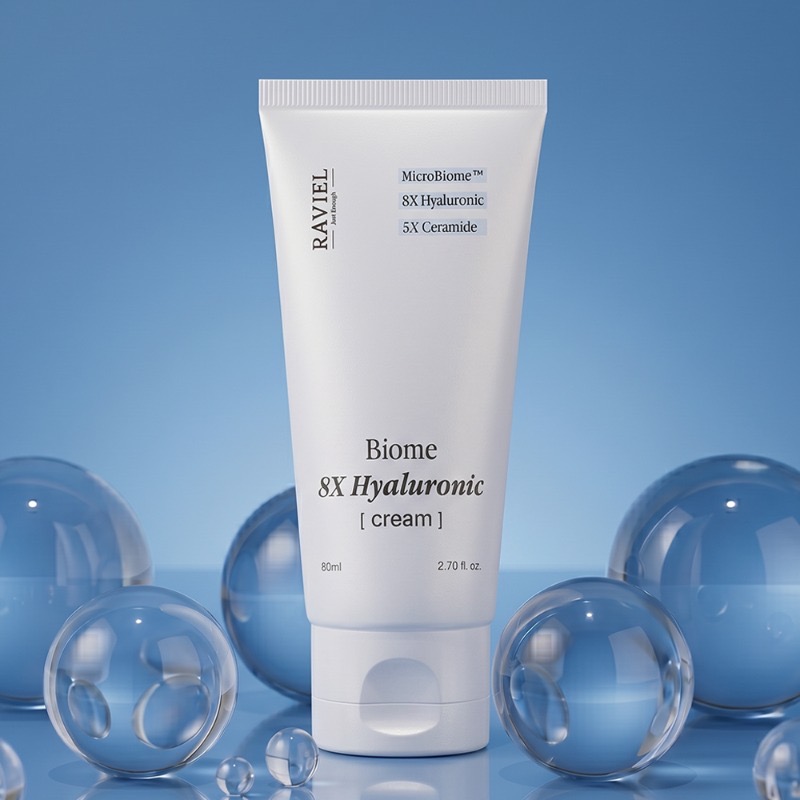
Hydration and pore care: the Biome 8X Hyaluronic line and the SILK concept
8 types of hyaluronic acid, ceramides and a biome complex — how the Biome 8X Hyaluronic line from RAVIEL approaches hydration and pore care, and what stands behind the brand's proprietary SILK active-delivery concept.
Read → Guide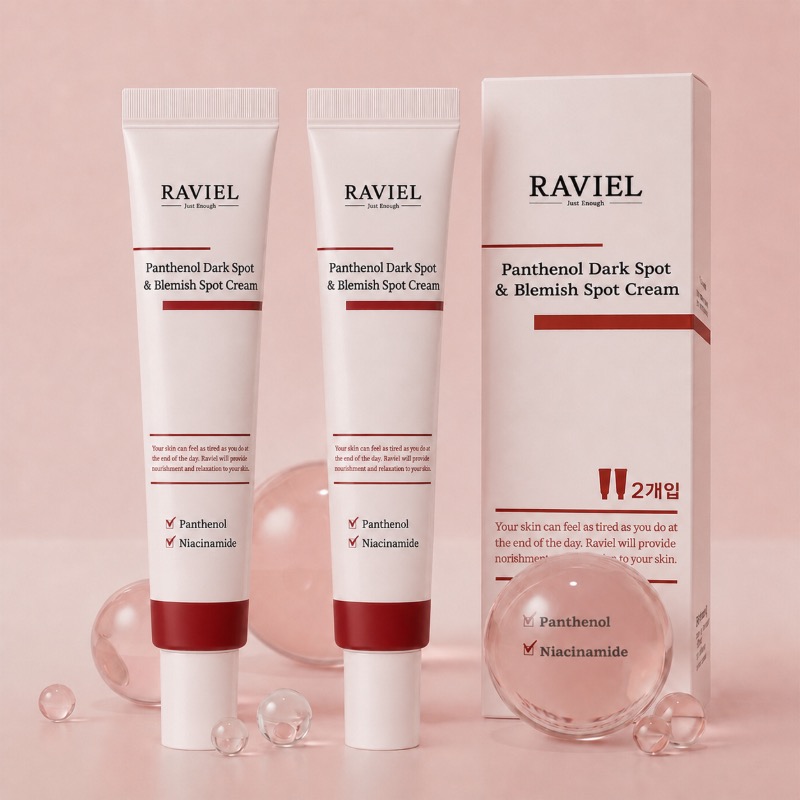
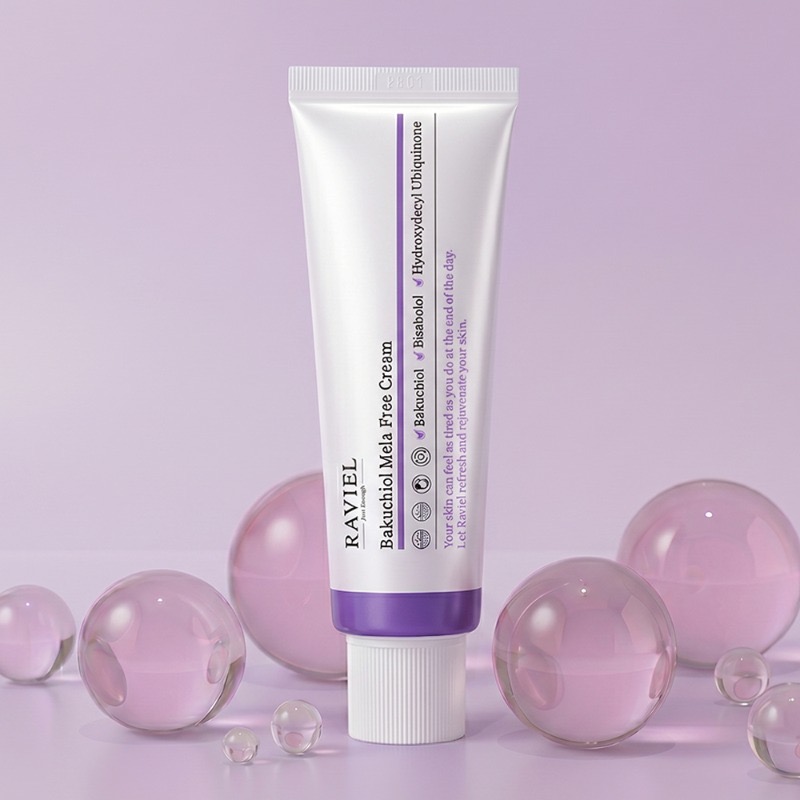
Bakuchiol as a plant alternative to retinol: the Bakuchiol Mela Free line
Why bakuchiol is interesting for slow-aging care and why it is attractive as a mild plant component — illustrated by the Bakuchiol Mela Free line from RAVIEL. Cosmetic care, not medicine.
Read → Guide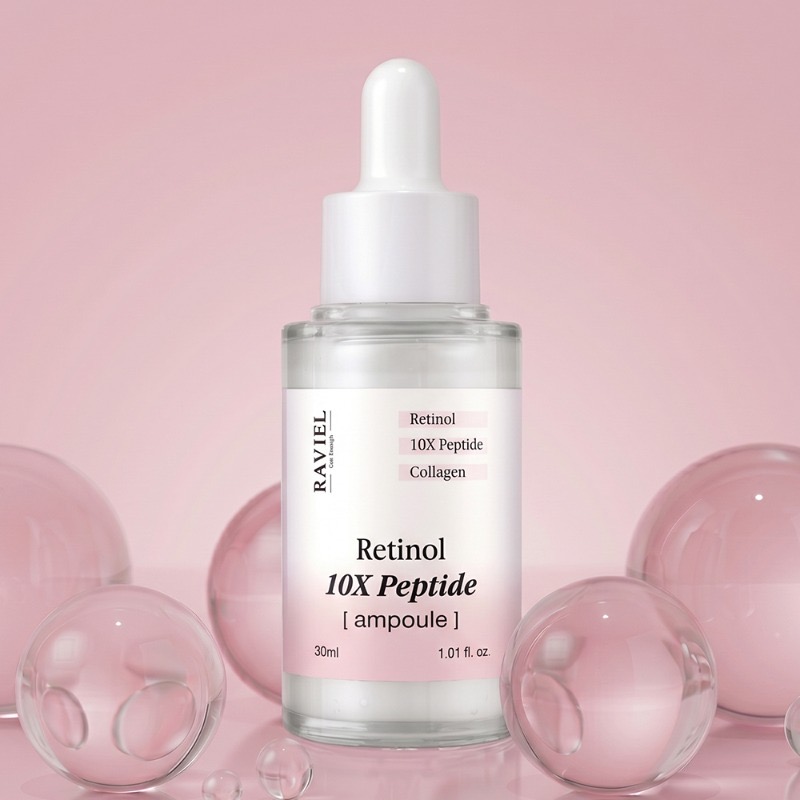
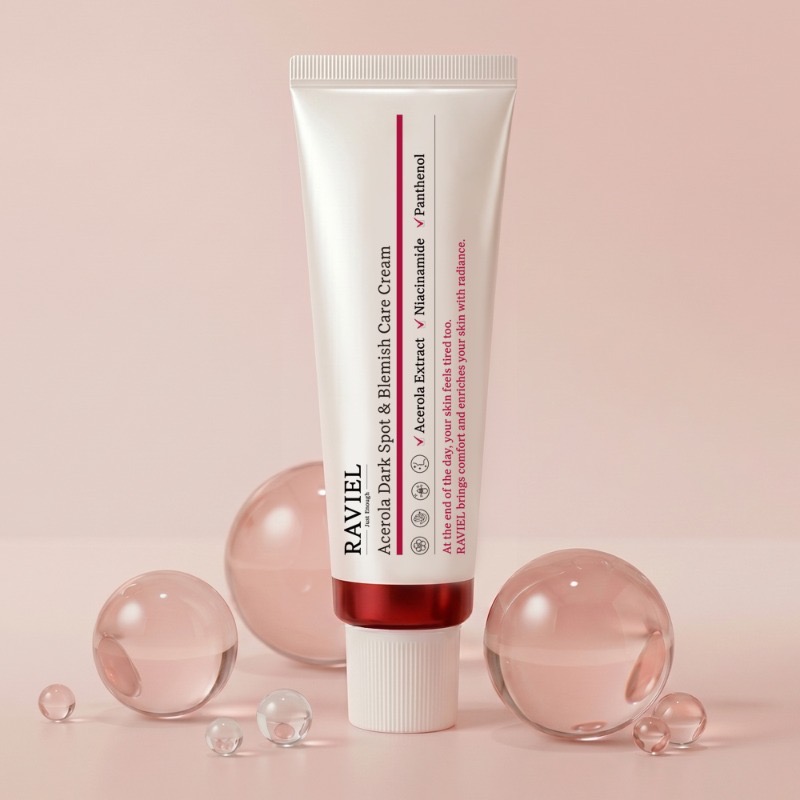
Korean-style pigmentation care and tone evening: the Acerola line
How Korean cosmetics approach an uneven tone and dark spots — illustrated by the Acerola line from RAVIEL: actives, formats and the logic of daily care. Cosmetic care, not medicine.
Read → Guide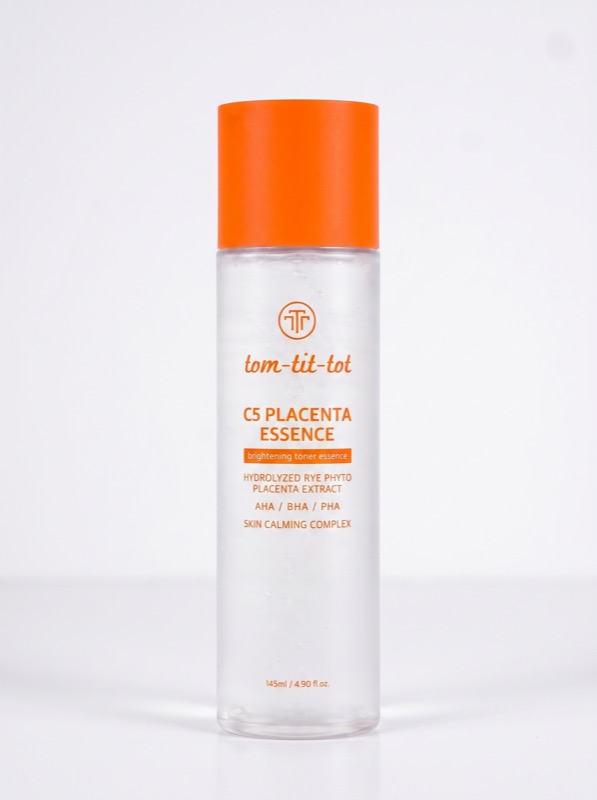
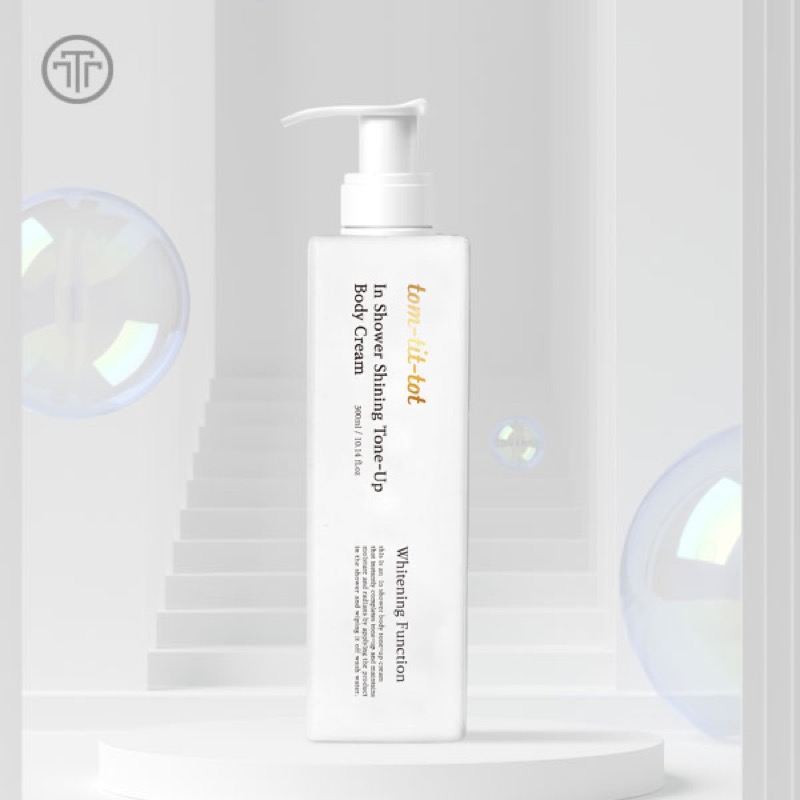
Brand owner or factory: how the OEM/ODM model works
How a brand owner and developer differs from a manufacturer, how the OEM/ODM model works through partner factories and what it means for the buyer: who is responsible for the formula, quality and documents. Illustrated by JETSGLOBAL and the TOM-TIT-TOT brand.
Read → Guide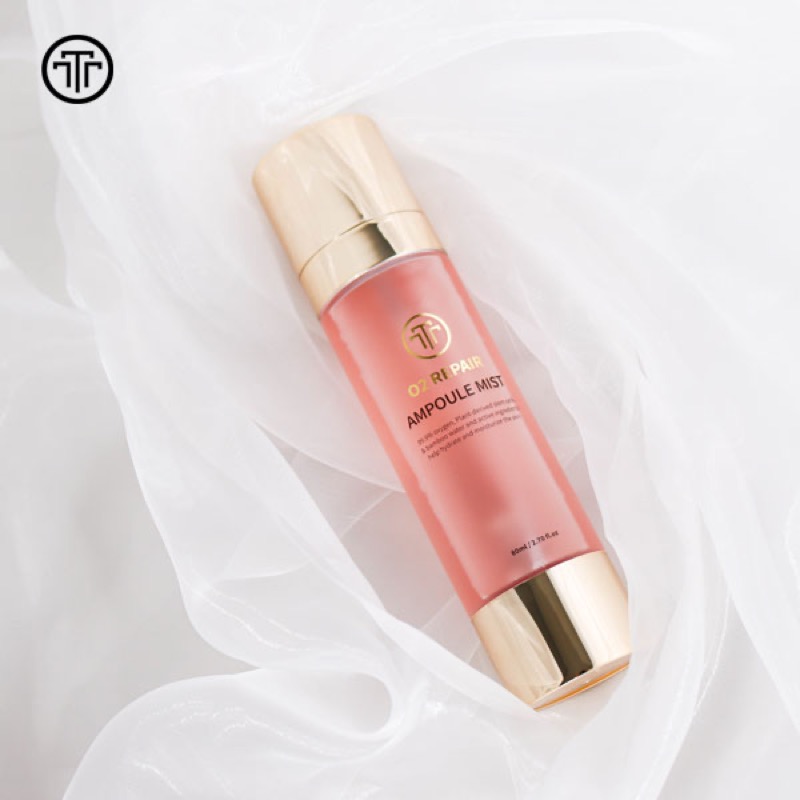
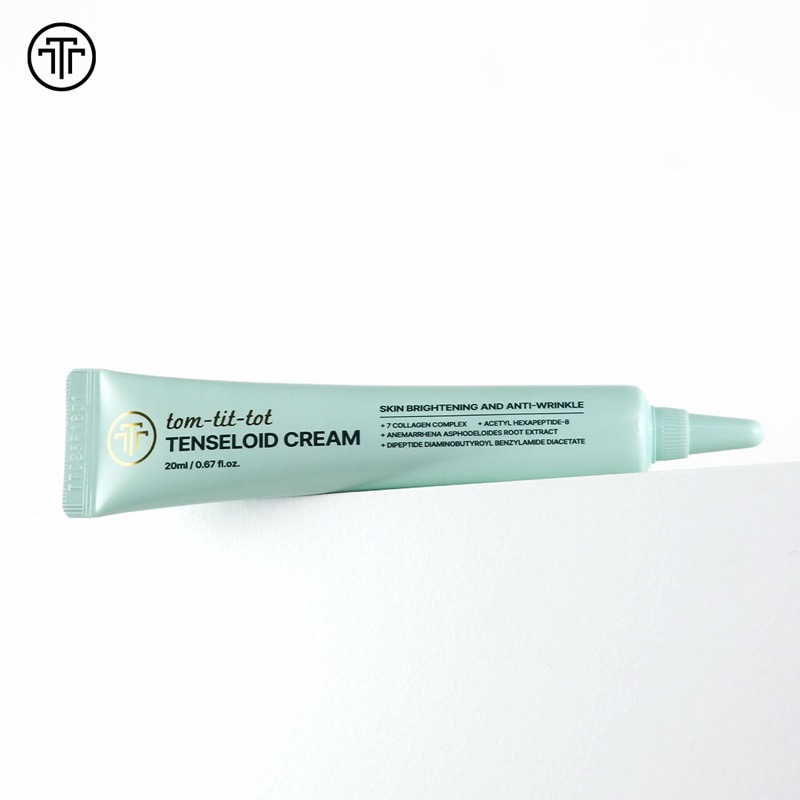
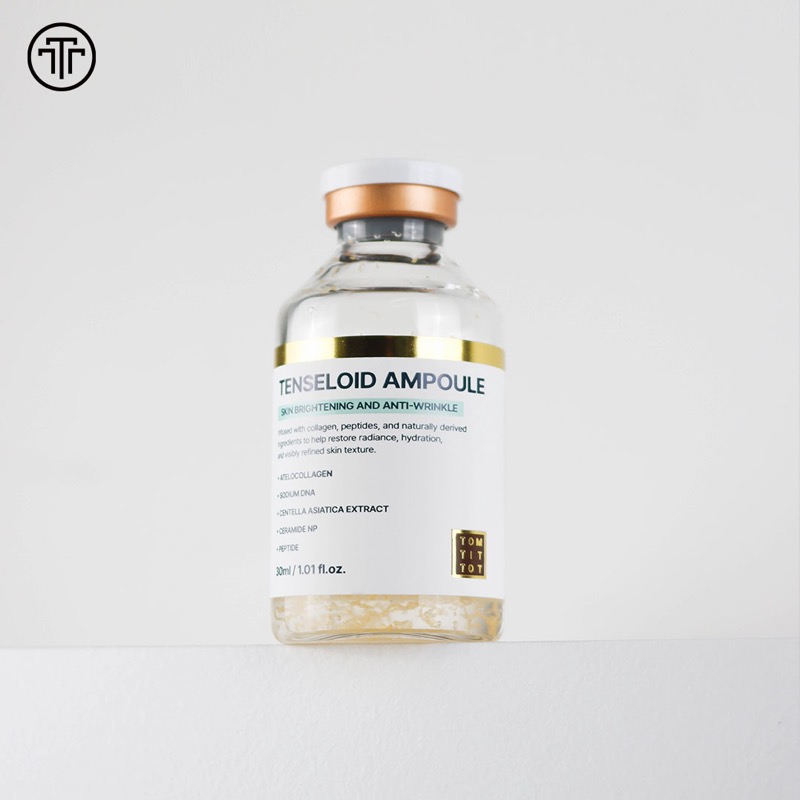
Professional aesthetic ampoules from Korea for clinics and spas
Concentrated actives (LHA peel, ectoin, peptides), formats (ampoules, peeling solutions, care kits) and the sales channel for professional cosmetics. Illustrated by the Aesthetic Premium line from TOM-TIT-TOT.
Read → Overview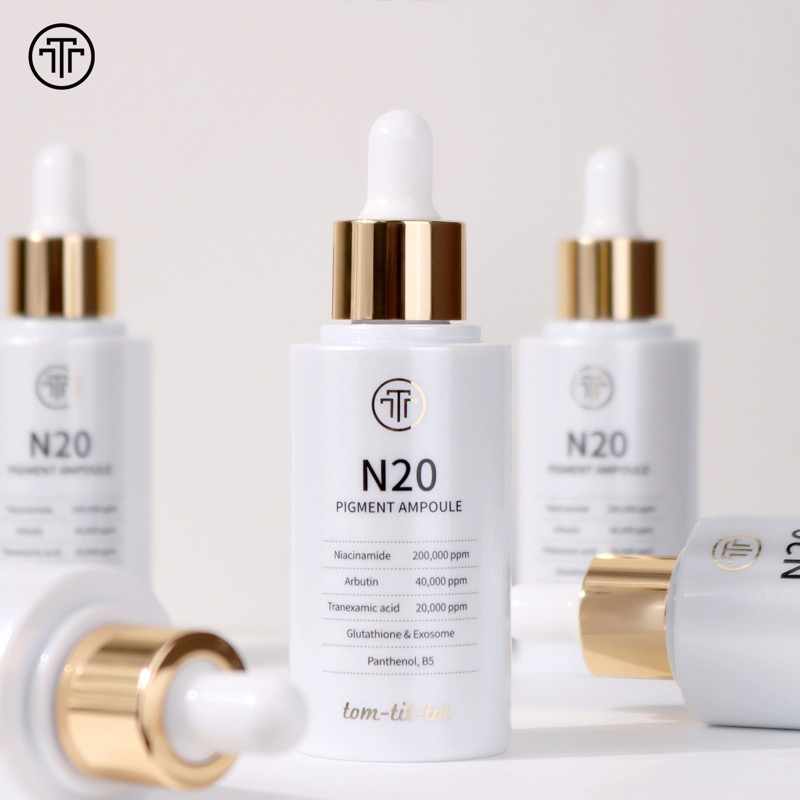
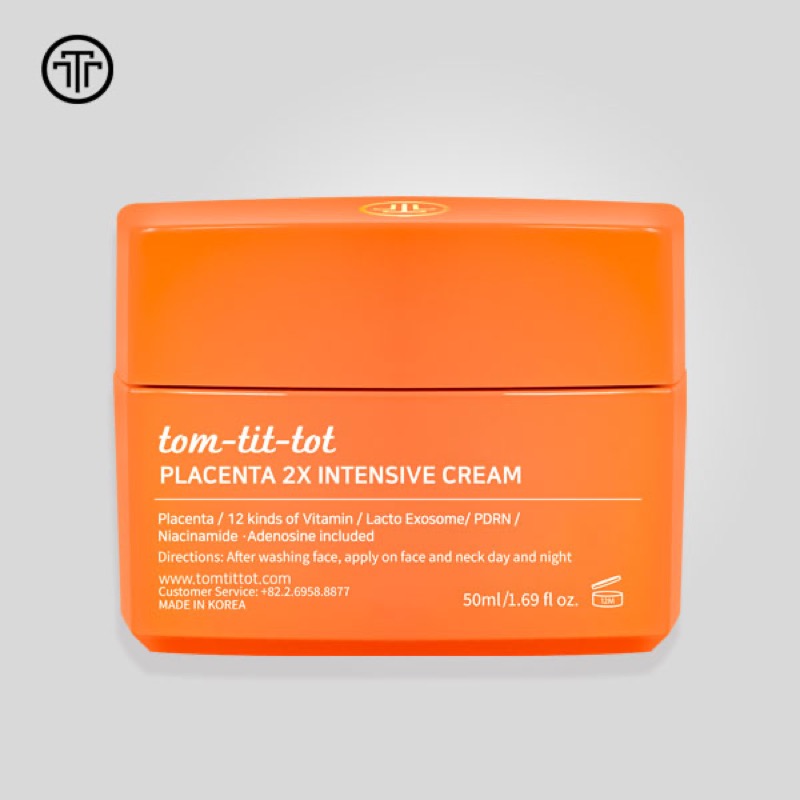
Plant placenta in cosmetics: soy, rye, PDRN and vitamins
What soy and rye phytoplacenta is, how it differs from animal placenta and why human placenta is not used in cosmetics — and why it is paired with PDRN and vitamins. Illustrated by the Placenta line from TOM-TIT-TOT.
Read → GuideTwo-Component Scalp Boosters: The HAIRREGEON Format
We break down the "powder plus solvent" format using the professional HAIRREGEON line from the Korean biotech company CK Regeon as an example — and what a buyer needs to understand about this segment before ordering.
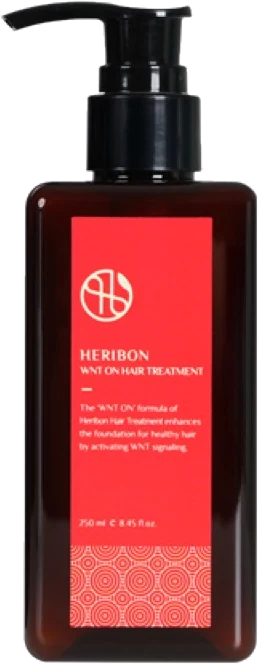
Read → GuideHERIBON: A Four-Step Scalp Care Routine from CK Regeon
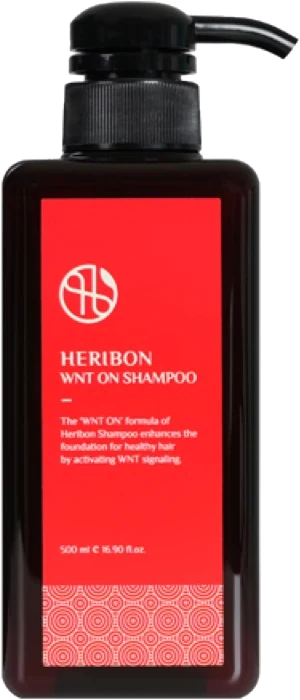
We break down the structure of the HERIBON home line from CK Regeon — from the logic of its four-step routine to the wholesale economics for a distributor.
Read → OverviewWnt Signaling and CXXC5: The Science Behind WNT ON Technology
We break down the scientific basis of WNT ON technology from the Korean brand DermaRegeon: what the Wnt/β-catenin pathway is, where the CXXC5 protein fits in — and why a B2B buyer needs to keep a component's mechanism separate from a finished product's proven efficacy.
Read → Guide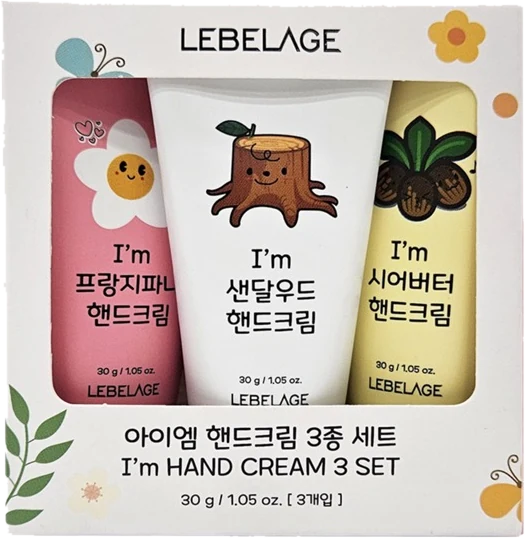
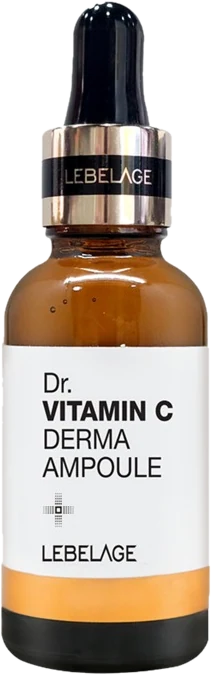
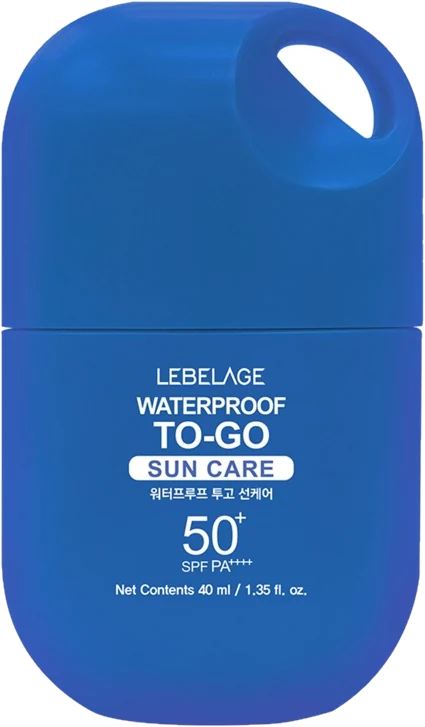
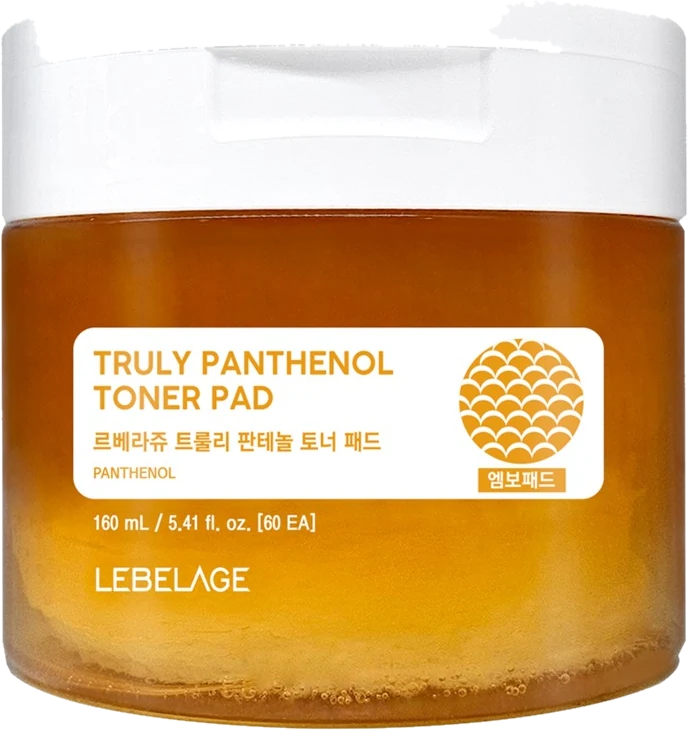
Korean Makeup and Suncare Wholesale: Building a Starter Assortment
Using the LEBELAGE brand as an example, we break down how a buyer builds a first wholesale order of Korean color cosmetics and SPF products — from assortment logic to the questions that need answers before ordering.
Read → Guide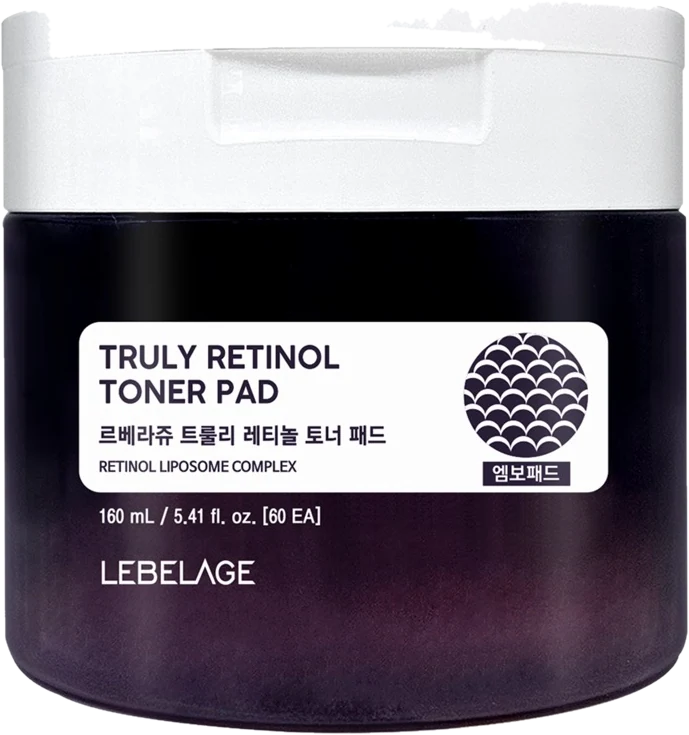
Korean Scalp Care: A New Category for Buyers, Featuring HEEYUL
Korean scalp care grows out of facial skincare logic and applies it to the scalp — with a higher price point and more regular consumption. We break down the category using the HEEYUL brand from DONGDONGGURIMOO.
Read → Guide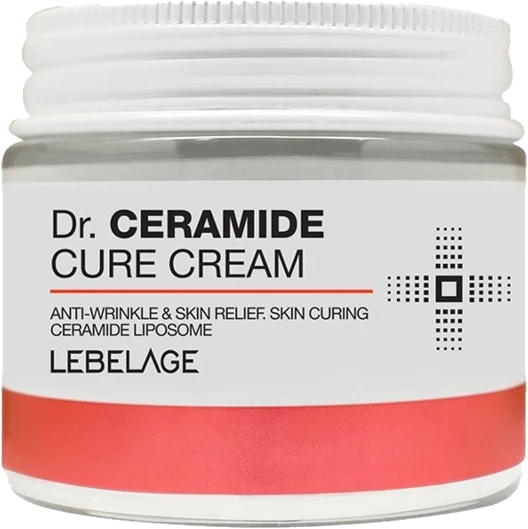
Korean Sheet Masks: How a Buyer Builds a Shelf
Sheet masks are the most accessible entry point into Korean cosmetics. Using the LEBELAGE line as an example, we look at how a buyer can turn dozens of SKUs into a coherent assortment rather than a random grab-bag.
Read → Overview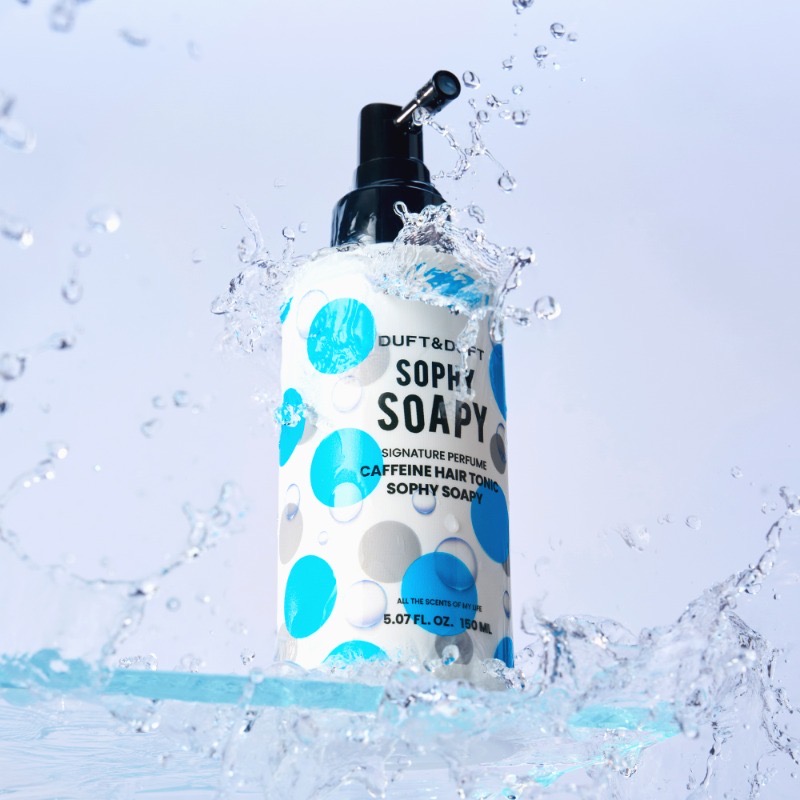
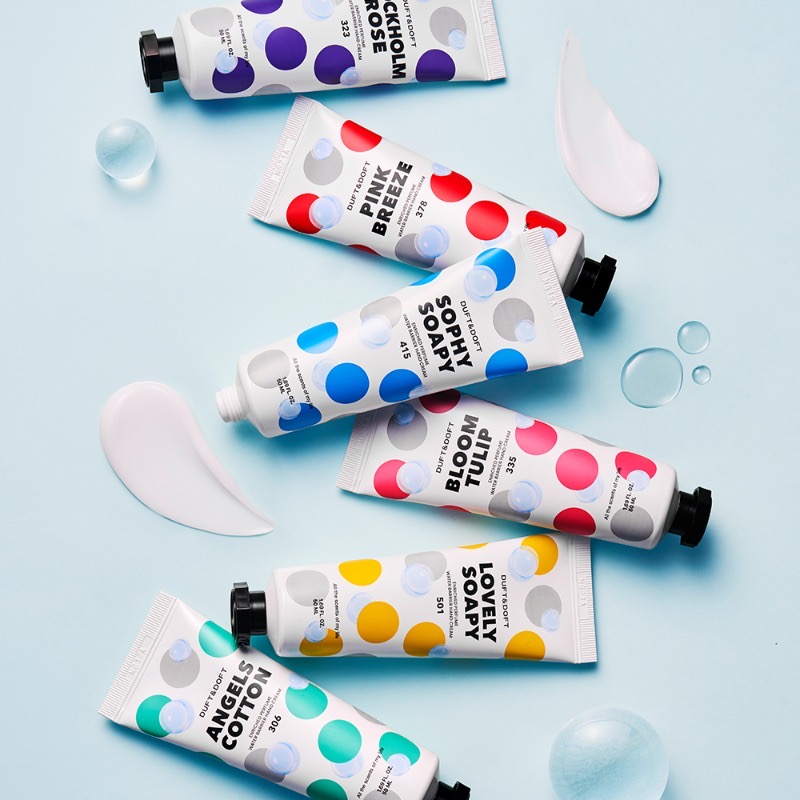
How a Full-Cycle K-Beauty Group Works: Breaking Down the Dreamcos Model
An overview of the Korean cosmetics group Dreamcos: four divisions, seven brands, an in-house ISO/GMP-certified plant, and a full OEM/ODM cycle — from formula to shipment. What this changes for importers.
Read → Guide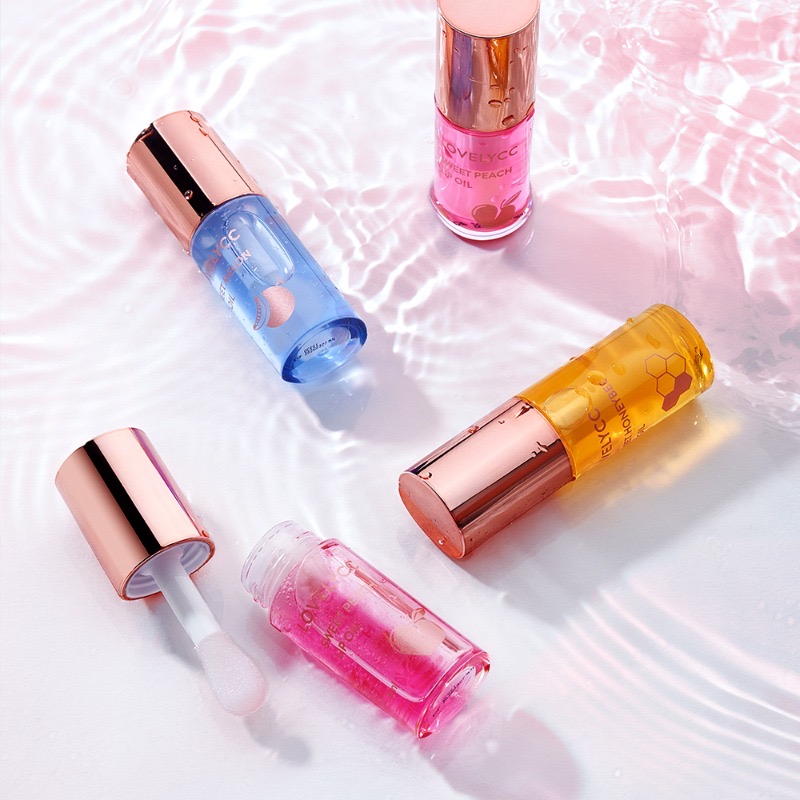
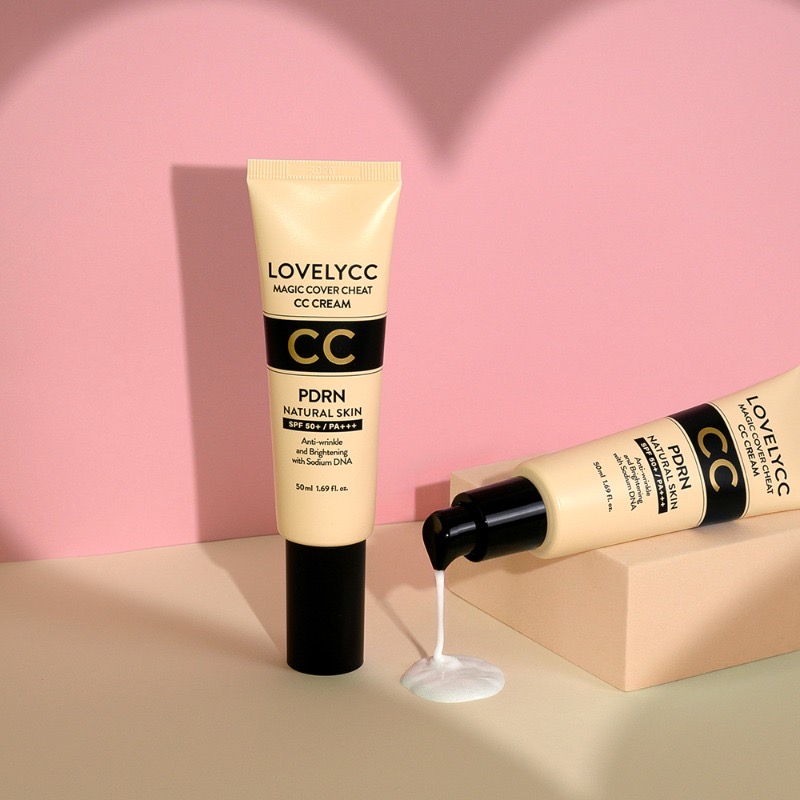
CC Creams and Youth Cosmetics from Korea: A Look at the LOVELYCC Brand (Dreamcos)
What a CC cream is, why the format resonates with Gen Z, and how to set up wholesale supply of the LOVELYCC line from Korea through Teranova.
Read → Guide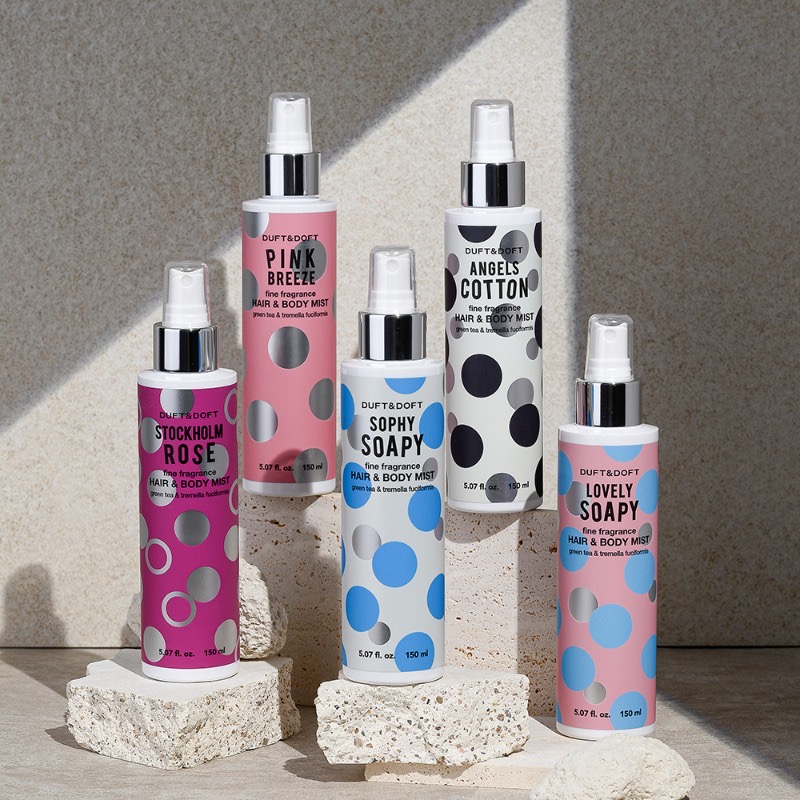
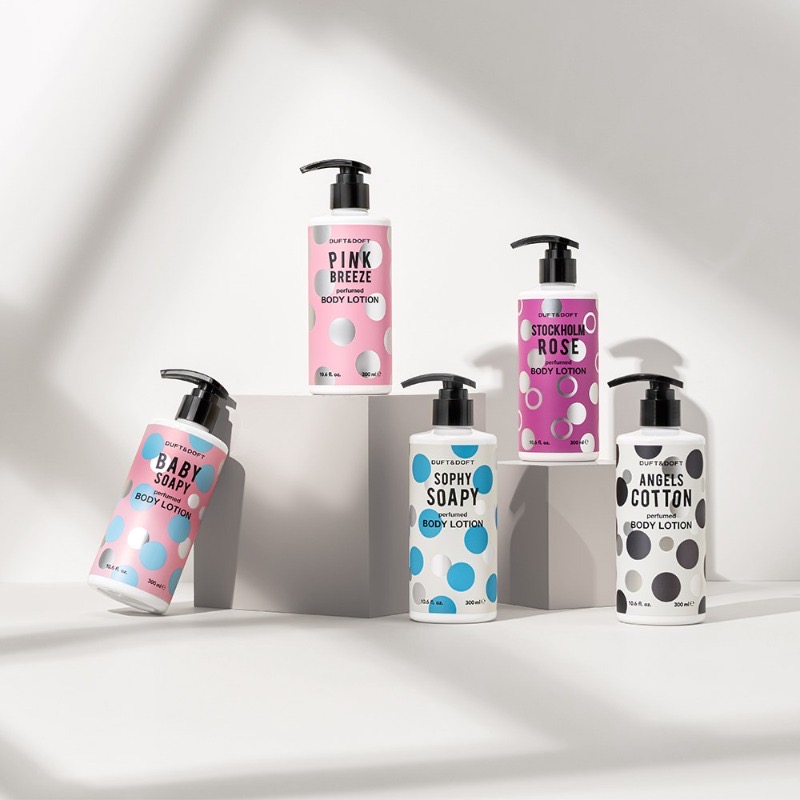
Perfumed Body Care as a Niche: A Look at DUFT&DOFT (Dreamcos Group)
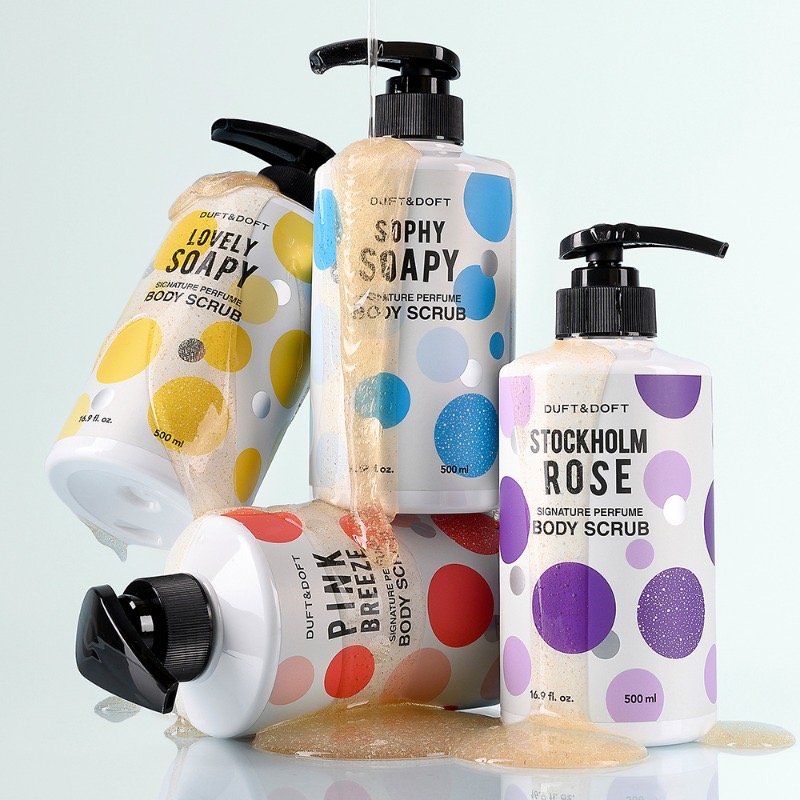
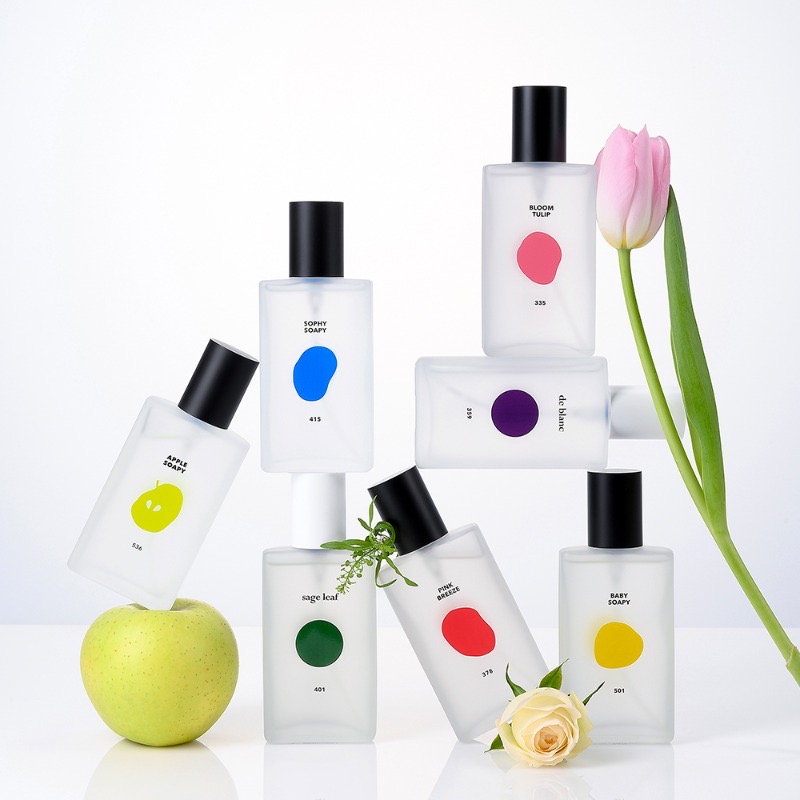
Perfumed body care is a growing segment with an average ticket above basic skincare. We break down the assortment and the logic of this niche using the Korean brand DUFT&DOFT.
Read → Guide
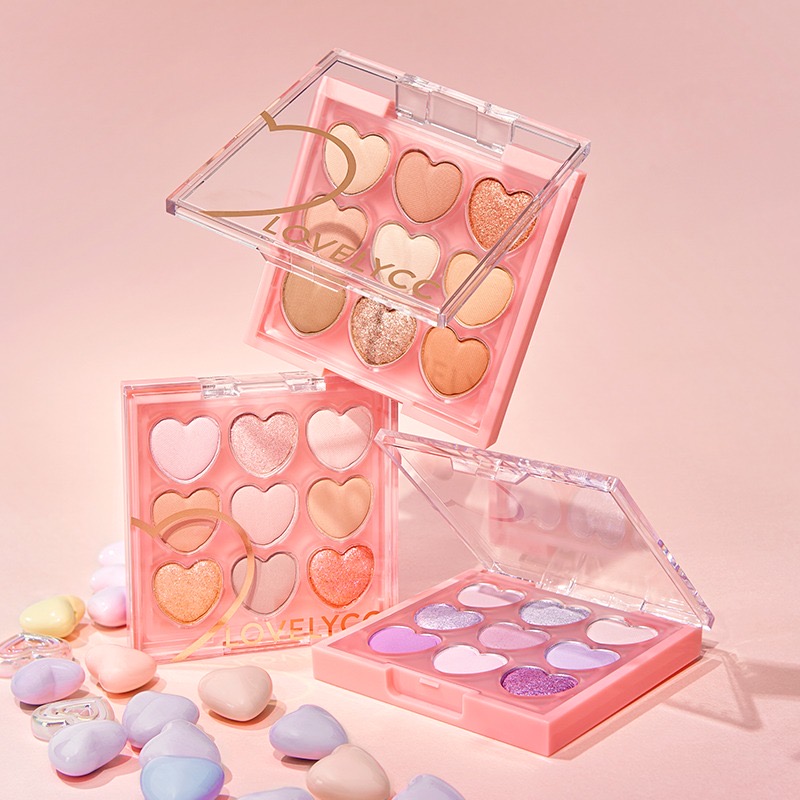
PDRN from Salmon DNA: The Story Behind the SALMON:LAB Brand
We break down SALMON:LAB's regenerative skincare built on PDRN technology from the Dreamcos group — why this brand matters to importers and how to arrange wholesale supply through Teranova.
Read → OverviewHyaluronic Acid and Collagen: What's the Difference for Skin
Two popular "anti-age" ingredients — what each one really gives the skin and how to combine them correctly. Honestly, without the myths.
Read → OverviewPHA and LHA: Gentle Acids for Sensitive Skin
How PHA and LHA differ from AHA and BHA and why they are chosen for the delicate renewal of sensitive skin.
Read → OverviewAzulene, Chamomile and Mugwort: K-beauty Soothing Ingredients
We break down three popular soothing ingredients of Korean cosmetics — how they are alike, how they differ and whom they suit.
Read → GuideAnti-Age Care: Firmness and Deep Hydration
What really works in anti-age care and how to combine firmness with hydration — honestly, using Dr.SANTE lines as an example.
Read → GuideOily and Problem Skin: Care Without Over-Drying
Why aggressive degreasing is harmful and how to build balance: sebum regulation, gentle acids and soothing — using Dr.SANTE lines as an example.
Read → GuideSensitive Skin: How to Build a Korean Skincare Routine
What matters for reactive skin and how to build a gentle routine: soothing ingredients, delicate cleansing and hydration — using Dr.SANTE lines as an example.
Read → Guide
Hyalquad Core by Dr.SANTE: intensive hydration based on hyaluronic acid
How hyaluronic acid retains moisture and why different molecular weights matter — using the Hyalquad Core line by Dr.SANTE as an example.
Read → Guide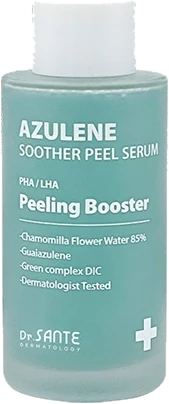
Collagen Leader by Dr.SANTE: collagen care for firmness and mature skin
What collagen actually delivers in topical care and how the Collagen Leader line by Dr.SANTE is built — honestly, without overblown promises.
Read → Guide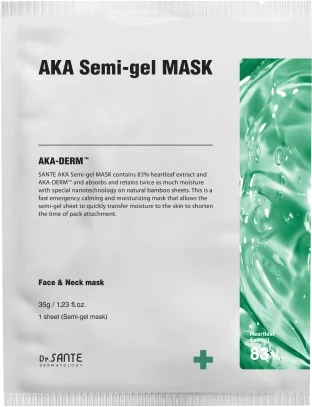
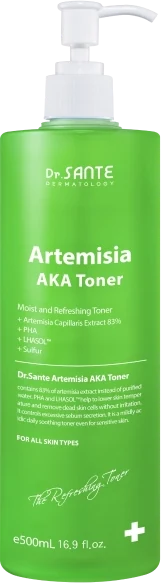
Artemisia AKA by Dr.SANTE: sebum-regulating care based on mugwort extract
Mugwort, LHA-SOL™, and niacinamide against oily shine and blemishes — how the Artemisia AKA line by Dr.SANTE for problem skin is built.
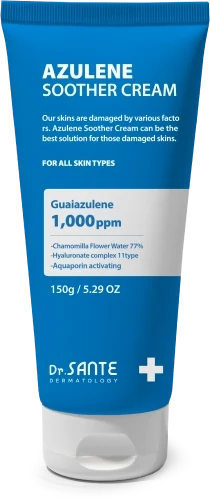
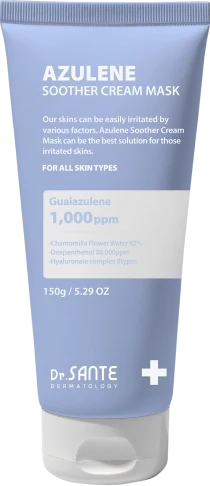
Read → GuideAzulene Soother by Dr.SANTE: soothing azulene care for sensitive skin
How guaiazulene and chamomile water calm reactive skin — and what the Azulene Soother line by Dr.SANTE offers: from cleansing to ampoules and masks.
Read → OverviewHow Teranova Vets and Supports Suppliers
Two honest statuses instead of promises, personal visits, and support across the entire deal — how Teranova works with Korean manufacturers.
Read → OverviewWhy Korea Is the Center of K-beauty and Contract Manufacturing
What makes Korea one of the world's centers of cosmetics development and manufacturing: R&D, speed of launching new products, a culture of skincare, and export maturity.
Read → GuideOEM and ODM in Korea: How Ordering Private-Label Cosmetics Works
How OEM and ODM differ, what MOQ and FOB mean, which stages an order consists of, and what to look at in a Korean manufacturer's price list.
Read → GuideKorean Cosmetics Certifications: CPNP, MoCRA, NMPA, HALAL and More
A short guide to the cosmetic registrations importers ask about: what each one means, which market it is needed for, and what to request from a Korean supplier.
Read →