


Azulene, Chamomile and Mugwort: K-beauty Soothing Ingredients
We break down three popular soothing ingredients of Korean cosmetics — how they are alike, how they differ and whom they suit.
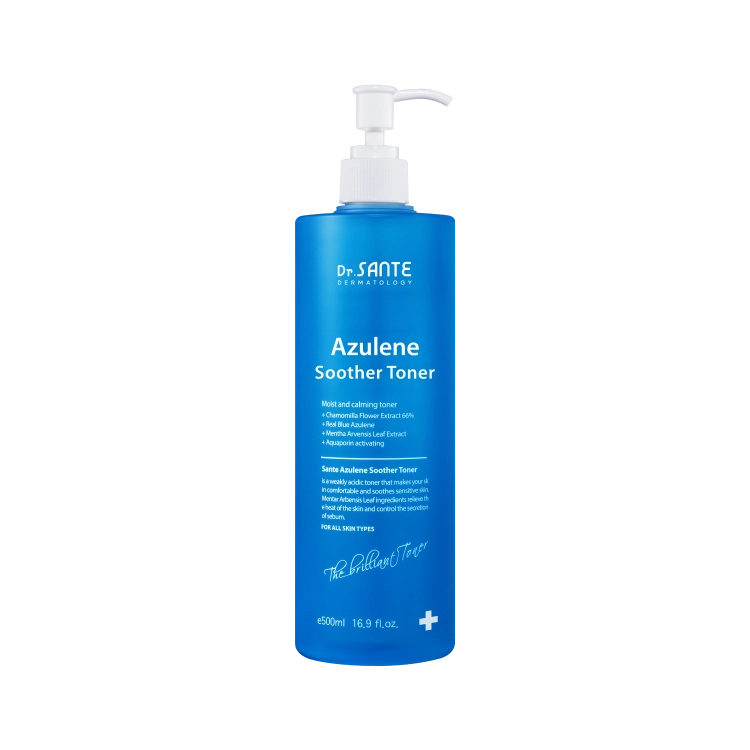
Korean cosmetics are known for soothing formulas for sensitive skin. Let's look at three popular ingredients — azulene, chamomile and mugwort — without marketing exaggerations.
Azulene and guaiazulene
Azulene is a blue aromatic compound that forms from matricin during the distillation of chamomile, yarrow and mugwort; the blue color is the molecule's own color. Guaiazulene is close to it and more lipophilic. According to research, both have anti-inflammatory and antioxidant effects (mostly preclinical data).
They suit skin prone to redness and irritation.

Chamomile
Chamomile (Chamomilla) contains bisabolol, chamazulene and apigenin — components with a soothing and antioxidant profile. Chamomile water (a hydrosol) is a gentle soothing base that K-beauty uses in place of purified water.
It is well tolerated, but an allergy is possible if you are sensitive to the Asteraceae family.
Mugwort (Artemisia)
Mugwort is a popular soothing ingredient in Korean skincare. According to research, its extracts soothe irritation, and also show antibacterial activity and may reduce sebum — which is why mugwort is used more often for oily and problem skin (clinical data is limited).
Like chamomile, it belongs to the Asteraceae family — take care if you have an allergy.
How to choose
For redness and reactivity — azulene and chamomile (the Azulene Soother line). For oily and problem skin — mugwort (the Artemisia AKA line). They are often combined within a single routine.
The Dr.SANTE lines built on these ingredients are on the brand page. Teranova will select a solution for your market.