


A minute against a day: where an active has time to work
The same component in a shampoo and in a tonic makes two different products. We look at why contact time matters more than concentration and how that shapes a line.
Choosing between two products, a buyer usually compares the ingredient lists. But the formulation is only half the equation. The other half is how long that formulation spends on the scalp. A minute in the shower and a day until the next wash are different conditions, and the same component behaves differently in each.
What can happen in a minute
Shampoo is applied, lathered and rinsed. All of it takes between thirty seconds and two minutes, and for most of that time the formulation is busy with its main job — cleansing. An active in such a system works on a residual basis: part of it goes down the drain, part simply runs out of time.
From this follows a conclusion that saves money. An expensive active in a rinse-off product is almost always an overpayment. If the factory offers to raise its share in a shampoo, the sensible question is whether the budget would do more in a leave-in item of the same line.

Why a leave-in is built differently
A tonic, a mist or an ampoule stays on the scalp until the next wash. That changes everything: the concentration can be lower while total contact is hundreds of times longer. This is exactly why Korean lines usually place the active load in the leave-in step.
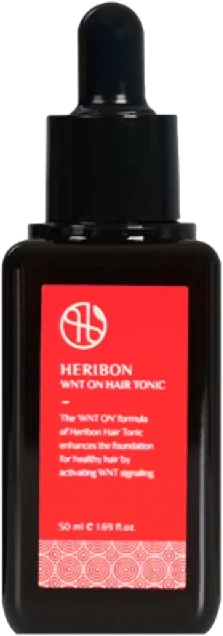
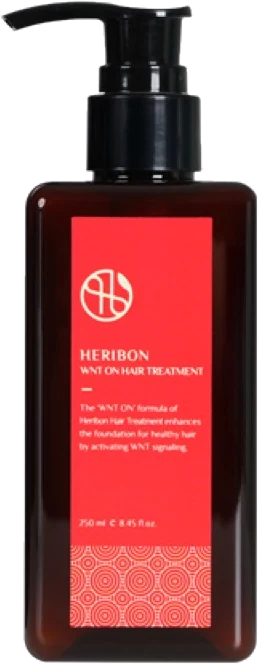
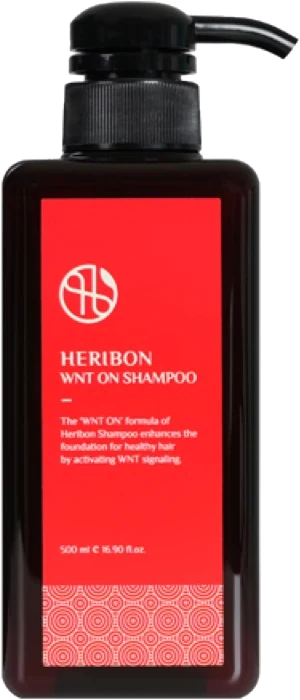
The volumes show it. In CK Regeon's HERIBON WNT ON line the shampoo comes in 500 ml and the leave-in tonic in 50. At DUFT&DOFT the caffeine sits in a separate 150 ml tonic rather than in the 500 ml shampoo. In both cases the small bottle is not an economy but a marker of where the work is concentrated.
What this means for the line and the shelf
A line combining rinse-off and leave-in sells better than two independent products, because their consumption rhythms differ. A shampoo runs out in six to eight weeks; a tonic stretches over three or four months. The customer comes back for shampoo more often, and every time sees the second item on the shelf.
Ordering them in equal quantities is therefore wrong. Agree the ratio with the factory using their data from other markets, then recalculate after the first three months against your own sales.
What to ask the supplier
The active concentration for rinse-off and leave-in items separately. The recommended dwell time, if there is one. Irritation testing for leave-in forms — requirements there are stricter. Compatibility of the leave-in with styling and colouring. And the recommended order ratio between the items of the line.
If the factory answers the concentration question with the same figure for the shampoo and the tonic, that is a reason to check whether the formulations really differ. Sometimes one base stands behind two labels, and the customer notices it before you have sold through the batch.