


PHA and LHA: Gentle Acids for Sensitive Skin
How PHA and LHA differ from AHA and BHA and why they are chosen for the delicate renewal of sensitive skin.
Acid renewal of the skin does not have to mean irritation. PHA and LHA are more delicate acids that are increasingly chosen for sensitive and reactive skin. Let's go over the differences.
AHA and BHA — the difference
AHA (for example, glycolic and lactic acid) are small water-soluble acids that work across the whole surface and can increase sensitivity to the sun. BHA (salicylic acid) is oil-soluble, works inside pores and suits oily skin.
Both are effective, but for sensitive skin they can be too active.

PHA — larger and gentler
PHA (polyhydroxy acids, for example gluconolactone) are larger molecules than AHA, so they penetrate more slowly and irritate less. They give gentle exfoliation plus hydrating and antioxidant properties and raise photosensitivity less.
According to comparative data, PHA give an effect comparable to AHA but gentler — a fit for sensitive and rosacea-prone skin.
LHA — delicate renewal
LHA (lipohydroxy acid) is a lipophilic derivative of salicylic acid. It exfoliates delicately, closer to the skin's natural renewal — gentler than classic BHA.
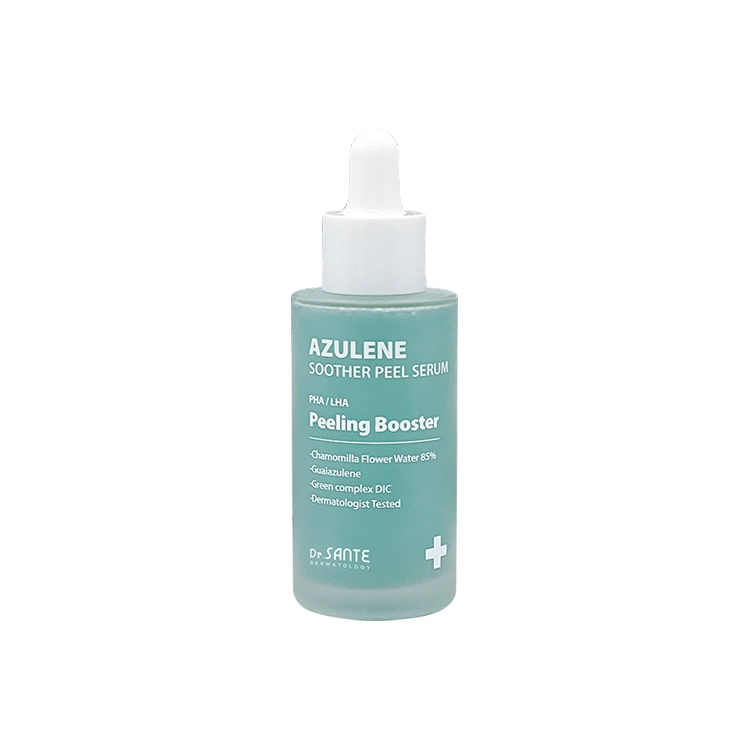
At Dr.SANTE the proprietary LHA-SOL™ is used in the Artemisia AKA line for problem skin; PHA/LHA components are also found in the Azulene Soother peeling serum.
Whom it suits
Gentle acids are the choice for those whom classic acids leave irritated: sensitive, reactive, redness-prone skin, as well as problem skin that needs delicate work with pores.
Dr.SANTE products with gentle acids are on the brand page. Teranova will help you choose them and arrange the delivery.