


Azulene and a sensitive scalp: what it brings to the shelf
A look at the component a whole SANTE line is built around, and why for a buyer what matters is less the azulene itself than what ended up in the shampoo alongside it.
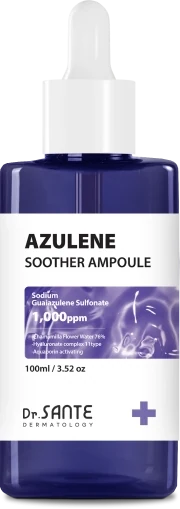
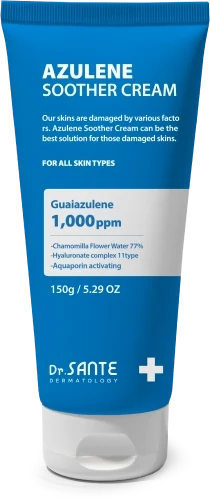
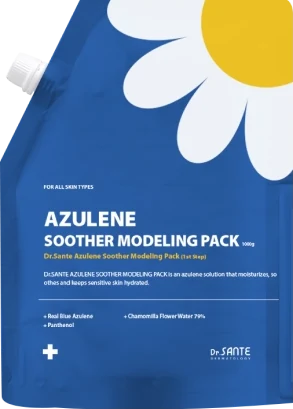
A sensitive scalp is not a hair type but a condition customers rarely mention out loud. Nobody asks for «something for irritation»; they simply stop buying the shampoo that leaves them itching. For a shelf that means a quiet loss of repeat sales, which is exactly why the soothing care category keeps growing. We take the Azulene Soother line from the Korean company SANTE as the example.
What azulene is
Azulene is a component historically associated with chamomile: cosmetics more often use its derivative, guaiazulene, obtained from the essential oil. Its signature is colour — a deep blue that tints the finished product and needs no added dye.
Colour here is not a decorative detail but a purchasing factor. A blue shampoo stands out on the shelf and calls for opaque packaging so it does not fade, and its behaviour on light hair and on a white towel has to be checked separately. Ask the factory about light stability and about bleached hair before you order a batch.

Why the line matters more than a single product
At SANTE azulene runs through a whole line: the 500 ml shampoo and treatment are only part of it, alongside cleansing, toner, ampoule, cream and facial masks. For a buyer this is convenient for two reasons. First, a customer with sensitive skin rarely stops at one product, and the line covers both face and scalp. Second, the factory already has the formulation and the filling line running, which makes a first order easier.
Both hair items also come as 5 ml sticks. That is an unusual format and it solves a specific task: samples for salons and for marketplaces, where a set of sticks sells as a product in its own right rather than being given away.
What azulene does not replace
A soothing component in the formula does not remove the need to check the base. Tightness and itching after washing are more often tied to the surfactant system than to the absence of a soothing active. A shampoo for sensitive scalp therefore has to be judged from both sides at once: what was added and what was taken out.
And separately, a word about words. «For sensitive skin» requires test-backed confirmation in most markets, not just the presence of a suitable component. A dermatological irritation test is not a pleasant extra here; it is the core document.
What to ask the supplier
The irritation test protocol for the finished product and the number of participants. The surfactant system and whether a sulphate-free version exists, if that matters to your shelf. Light stability of the colour and packaging requirements. Data on staining of light hair and textiles. And the list of claims permitted for your market.
If you plan to take the sticks, ask separately about their shelf life: a small fill behaves differently from a 500 ml bottle, and that is better seen in the documents than discovered in the warehouse.