


Scalp scaler: what is inside and why the line needs it
The first step of a Korean scalp routine and the one most often cut when a line is localised. We look at what it does and why the other three fall apart without it.
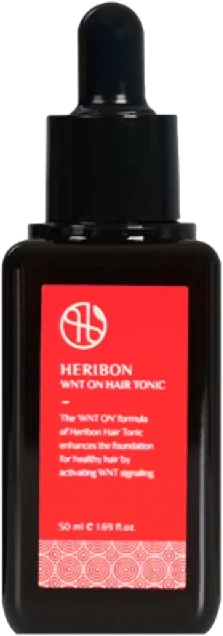
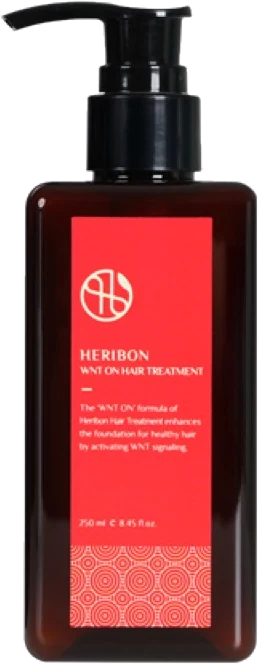
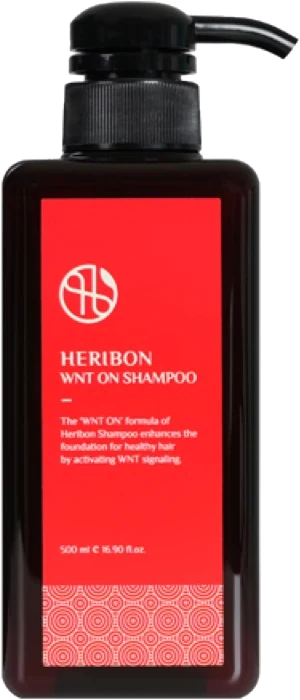
The scaler is the least understood item in a Korean scalp line and the first to be struck out when a line is localised: an unfamiliar format, long to explain, hard to sell. Yet it is precisely what makes a line a line rather than a shampoo plus a mask. Here is what it actually is.
What a scaler does
The job of a scaler is to remove from the scalp whatever gets in the way of the following steps: styling residue, sebum, dead cells. This is done in two ways: mechanically, through particles or a brush head on the bottle, and chemically, through acids or enzymes in the formula. Many products combine both.
In the HERIBON WNT ON line from CK Regeon the scaler comes first and is sold in 300 ml — less than the 500 ml shampoo, because it is used less often. That difference in volumes is itself the hint about frequency: shampoo daily, scaler once or twice a week.

Why the line falls apart without it
The logic of a four-step routine rests on sequence: first clear, then wash, then a caring mask, then a leave-in. Remove the first step and the other three do not stop working, but the line loses its meaning as a system and turns into three separate products.
For a shelf that is tangible. A line sells as a solution; a set sells as goods. The first gives a larger average basket and repeat purchase on a schedule; the second competes on price with any shampoo on the next shelf.
What to clarify before buying
The type of exfoliation and the acids in the formula, if any: frequency of use and label warnings follow from that. Compatibility with coloured hair — the first question a customer will ask. The delivery format: pump, applicator, brush head. And the manufacturer's recommended frequency, not your marketing department's.
Ask separately for the irritation test protocol. A scaler makes contact with skin rather than hair, and that puts it closer to facial products in its safety requirements.
How to explain it to the customer
A simple analogy works: a scalp scaler is what a facial peel is, only less often and gentler. A customer who already exfoliates their face needs no further explanation.
On the shelf it is better to show the whole line, with the order of use and the frequency. A scaler standing alone among shampoos does not sell: without its neighbours in the routine it is not clear what it is for.