


Caffeine in hair tonics: what to ask before you buy
Caffeine appears on hundreds of labels. We look at what actually sits behind the word, how rinse-off differs from leave-in, and which questions to put to the factory.
Caffeine is one of the most recognisable components on the hair care shelf. That recognisability is exactly what makes it convenient for marketing and inconvenient for comparison: the shopper sees a familiar word, while the buyer cannot tell one product from another by it. Here is what sits behind the name and what to ask before purchasing.
Rinse-off and leave-in are different conversations
The first thing that defines what a component means is how long it stays on the scalp. A shampoo is rinsed off within a minute; a tonic or a mist stays until the next wash. Caffeine in a leave-in product and caffeine in a shampoo therefore address different tasks, even at the same concentration.
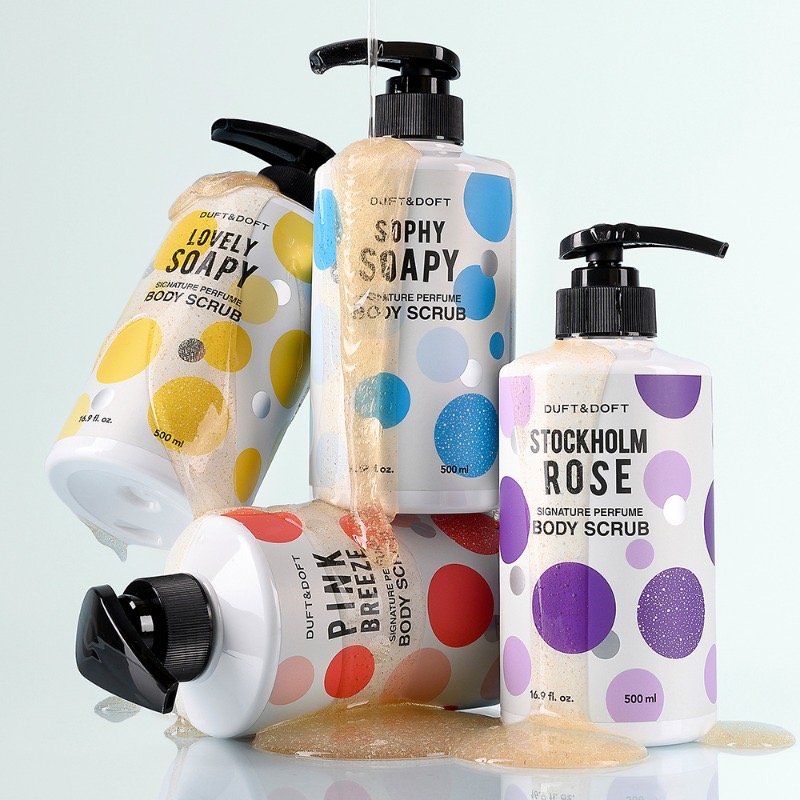
With DUFT&DOFT this is visible in the line itself: caffeine sits in a separate 150 ml leave-in tonic rather than being added to the 500 ml shampoo. That split is a deliberate formulation decision, and it is worth asking the factory why it was made that way. The answer shows how well the plant understands its own product.

Raw material and finished product are also different things
Caffeine can also be bought as a standalone raw material for formulation. The Indian company Sunpure supplies it in standardised form to those who develop a formula themselves or commission development at a contract manufacturer. That is a different purchasing scenario: you pay for kilograms of substance, not for finished packs, and you own the formulation.
For a buyer the difference is practical. A finished product arrives with the documents and claims the factory has produced. A raw material arrives with a specification and a certificate of analysis, and everything else — testing, stability, labelling — becomes your responsibility and your line of cost.
What you are allowed to print on the pack
Claims about hair growth and hair loss are regulated in almost every market, and the presence of caffeine in a formula does not by itself grant the right to use them. In Korea some of these wordings fall under functional cosmetics and require separate confirmation. The European Union, Brazil and the USA each run their own regime, and the permitted wording differs.
The practical conclusion is simple. Ask the factory not for a «marketing description» but for the list of claims the company is prepared to support with documents for your specific market. Anything beyond that list you will be printing at your own risk.
What to ask the supplier
The concentration in the finished product, not in the raw material. The position of caffeine in the ingredient list: a crude but quick indicator of quantity. Irritation testing for leave-in forms. Stability data, especially for clear bottles and hot markets. And the origin of the raw material, if a vegan or halal confirmation matters for your shelf.
None of these questions is nitpicking. All of them surface sooner or later during registration or at the first customer complaint, and it is better to have the answers before shipment than after.