


A cushion instead of a cream: how post-procedure care became a make-up format
A look at the EXOMERE G cushion balm format through the Spicus V Shot Recovery Balm — what it gives a clinic, a salon and a professional skincare distributor.
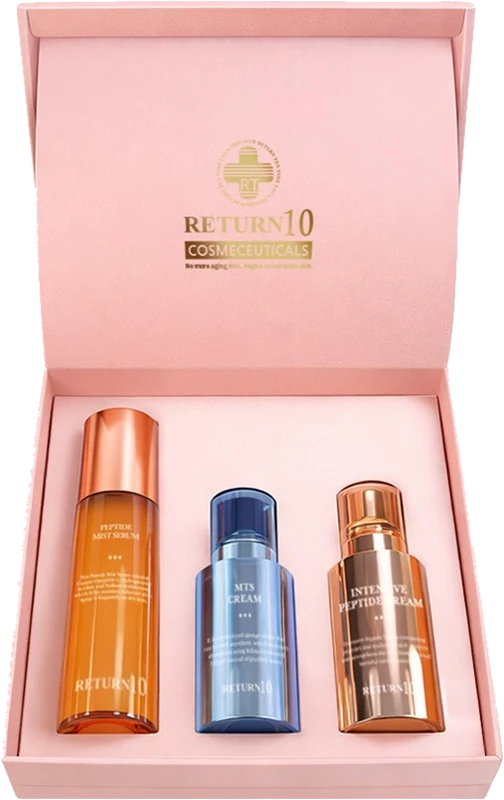
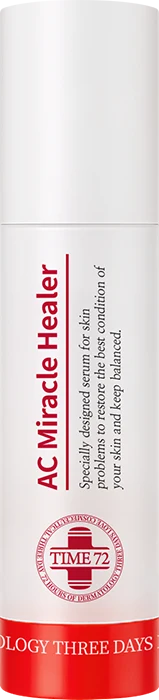
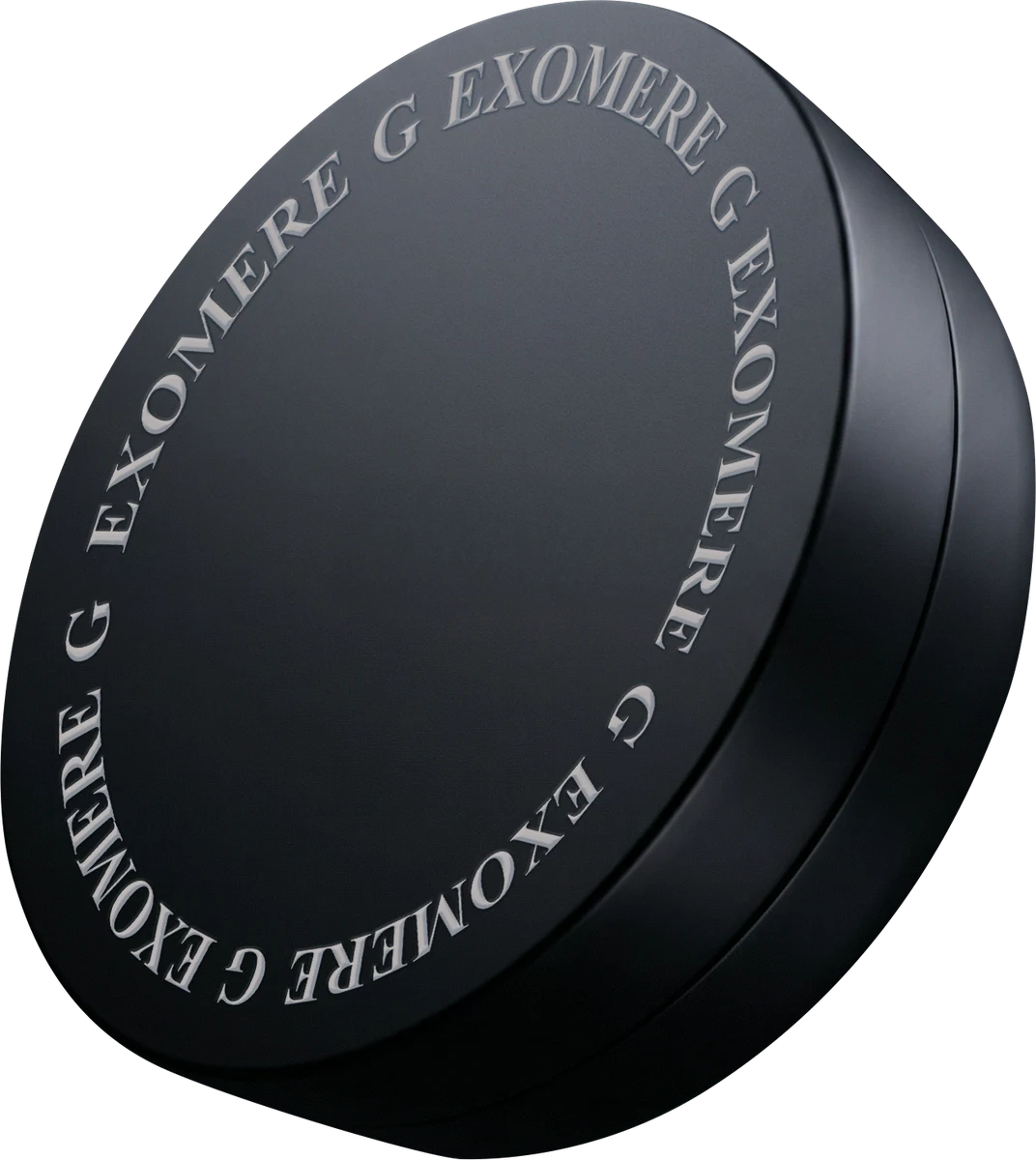
Post-procedure care has an awkward problem. A client leaves the treatment room with reddened skin and wants to cover it with foundation, which is exactly what they are told not to use. Ordinary foundation sits on the pores; a care cream gives no coverage at all.
The cushion balm format resolves that conflict by putting coverage and care in a single step. We look at it through the Spicus V Shot Recovery Balm from the EXOMERE G line by THREE DAYS LOVE, and at what the format offers a distributor.
Why a cushion rather than a jar
A cushion is an impregnated sponge in a compact case. The product is patted on rather than rubbed in, which means no mechanical pressure on skin that has just been treated. For a salon this matters more than it sounds: the client does not touch their face with their hands or drag product across fresh irritation.
The second advantage is purely commercial. A cushion looks like make-up and sells like make-up, while remaining skincare. That lets a salon offer it as the client leaves, and lets a shop place it beside cosmetics rather than in the far corner with treatment products.
What the company says is inside
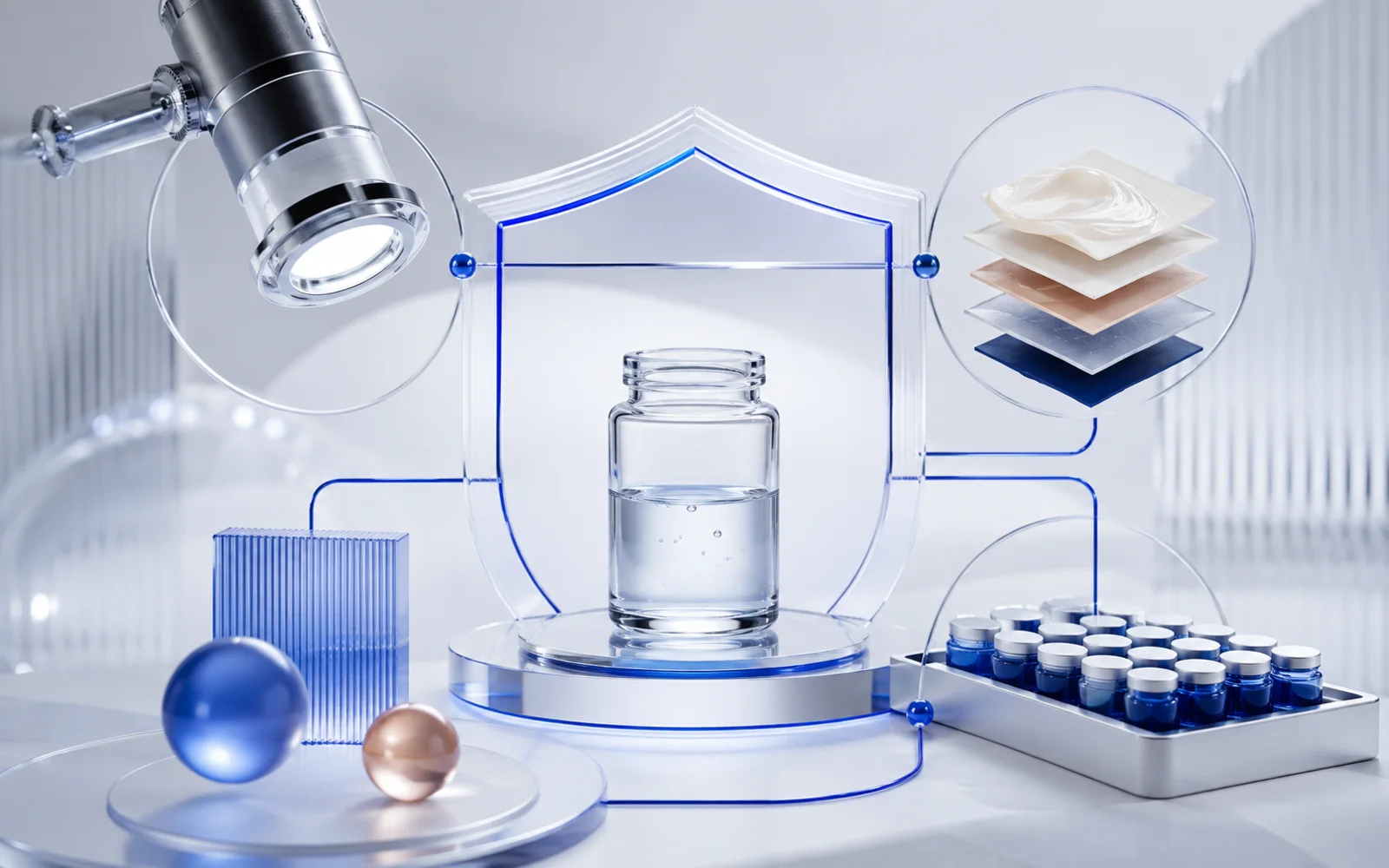
According to the company, the product is built around two of its own patented developments. The first is the Exomere Halla® exosome complex from Jeju hallabong citrus, patent no. 10-2677780; the company describes it as micro-particles 1,200 times smaller than a hair that deliver active ingredients into the skin.
The second is SPICUS®, microneedles coated with low-molecular collagen, patent no. 10-2767202. As the company describes them, they create micro-pathways that help active ingredients through, and at the same time sit evenly on the skin, giving coverage that does not lift.
The company separately cites a 72-hour low-temperature fermentation, which in its account produces finer particles that fit closer to the skin. All of this is as stated by the manufacturer; documentary confirmation is requested at the deal stage.
Three shades and the shelf logic
The line has three shades: no. 19 Ceramic Ivory for fair, cool skin, no. 22 Natural Beige as the neutral all-rounder, and no. 25 Glow Beige with a warmer glow. Three is the smallest range that works: fewer does not cover demand, more ties money up in stock.
For a wholesaler this grid has the advantage of not requiring shade matching from samples. The middle shade answers most enquiries, and the two ends are added once a particular market shows the demand.
Who to sell it to
The first and most obvious channel is aesthetic clinics and salons that already perform treatments and are looking for something to offer the client on the way out. Here the cushion works as a continuation of the service rather than a separate purchase.
The second is retail and marketplaces, where the format sells itself without explanation. The third is distributors of professional skincare building a range around post-care: at THREE DAYS LOVE this is one item in a line that also holds recovery balms, ampoules and soothing care.
What we can show a buyer
Copies of the ISO 22716, ISO 9001 and ISO 14001 certificates, together with the FDA MoCRA registration certificates for fiscal years 2024 and 2026, were handed to Teranova by the company in August 2026 and are held on file with us. A buyer receives them at the deal stage.
The product is positioned as a cosmetic for external use, not as a medical device or a medicine. Claims about its properties are as stated by the company. Supply terms, minimum batches and lead times are confirmed through Teranova.