


A dirty panel loses a third of its output: what dust costs a solar plant
Soiling cuts solar panel output by up to 20–36% of rated power, and hot spots from patchy dirt shorten panel life. Here's why cleaning pays for itself instead of costing you.
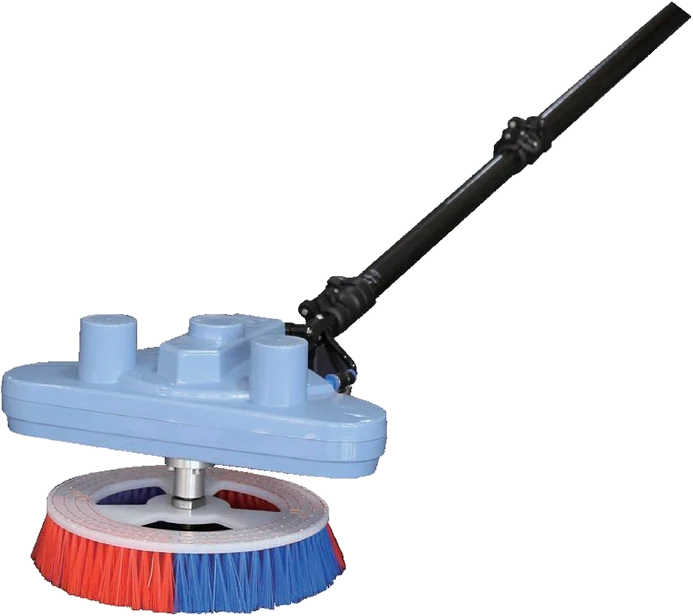
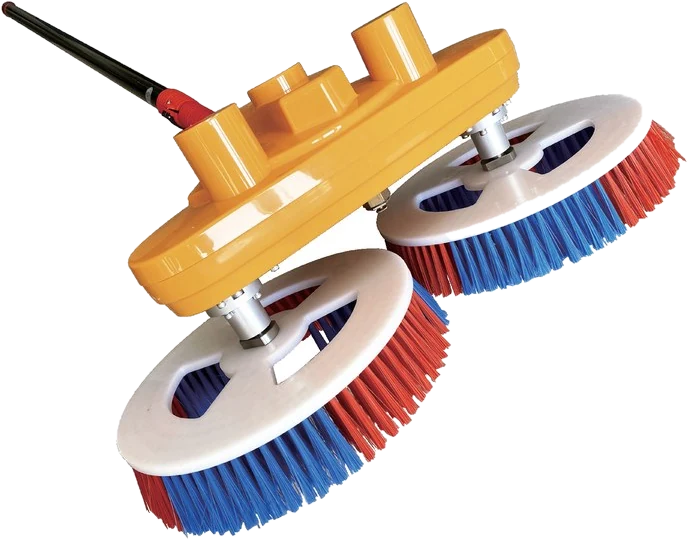
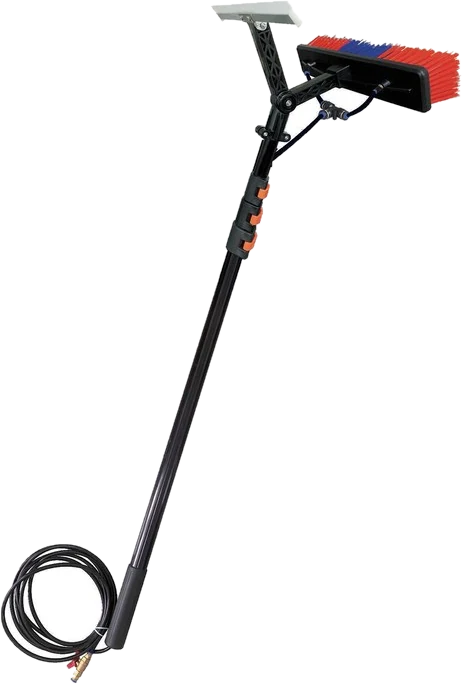
A solar plant owner sells kilowatt-hours, and anything that keeps a panel from generating comes straight out of revenue. According to cleaning-equipment maker MULTIFIT, soiling cuts panel output by up to 20–36% of rated power. After cleaning, efficiency returns to 90–95% — and drops again without upkeep.
What builds up on panels
The main culprits are dust, bird droppings and rust residue. An even layer of dust simply reduces glass transparency, but patchy soiling is more dangerous: the shaded spot overheats, hot spots form, and the panel degrades or can burn out.
That's why cleaning protects not just current output but the asset itself: regular maintenance extends the plant's service life.

Calculation instead of generic specs
MULTIFIT doesn't quote abstract specs — it calculates performance on the customer's own array: cleaning area in square meters per hour, the daily rate, and the time to complete a full cleaning cycle for an array of a given size. The company has this calculation for every model.
That lets a plant owner compare equipment cost against the price of lost kilowatt-hours and work out payback on their own numbers, not marketing ones.
Who makes it
BeiJing Multifit Electrical Technology Co., Ltd. is a Chinese manufacturer with national high-tech enterprise status: headquartered in Beijing, with a plant in Shantou, Guangdong province, and branches in Shenzhen and Sichuan. The line splits into MR-series robots and MULR brushes, from manual models to a water-driven version.
Delivery terms are EXW or FOB; Teranova coordinates logistics, customs and the deal. A demo unit for testing is arranged separately.
Next step
The MULTIFIT catalogue, with fifteen items and indicative pricing, is published on the Teranova platform. Send your plant's configuration, and we'll get a performance calculation and current pricing from the factory for your array.